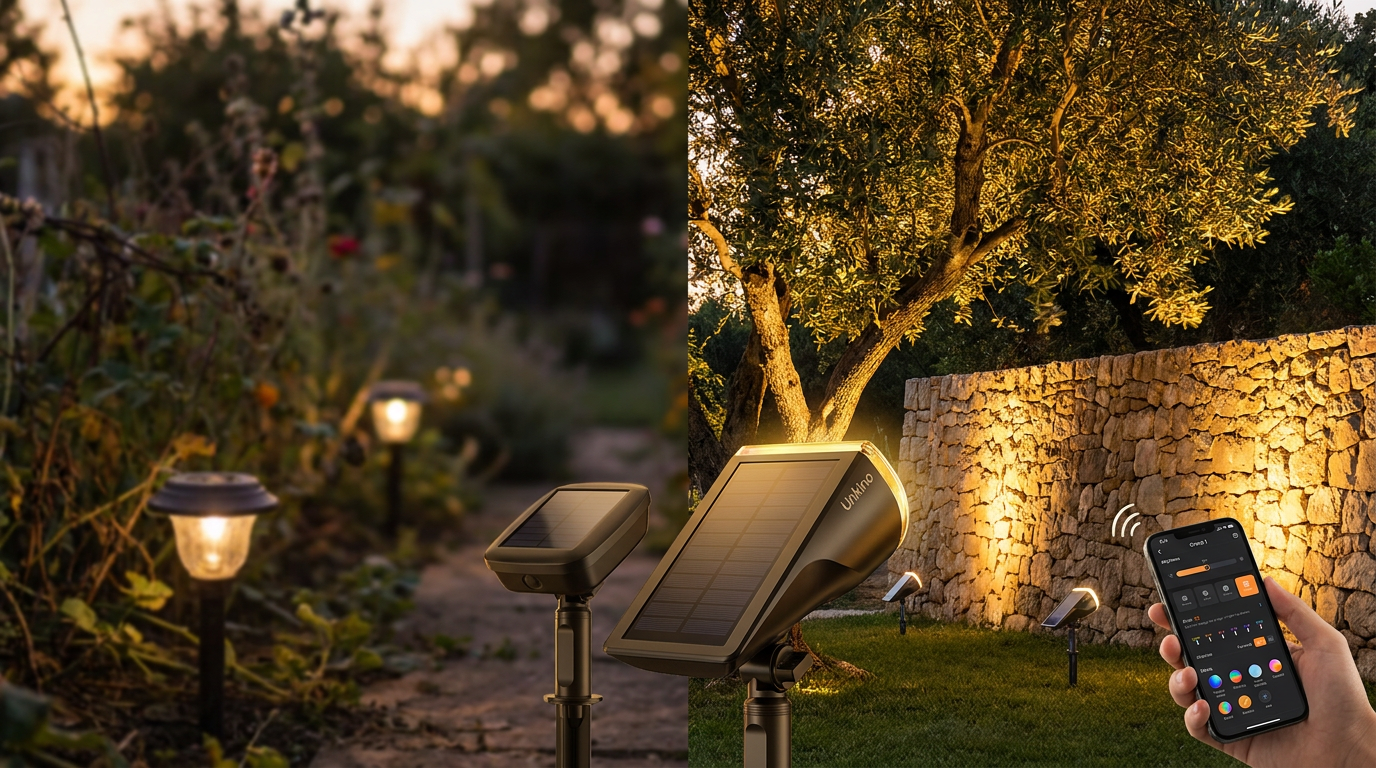
Smart Solar Spotlight Framework for Canopy Illumination
 Priya RamanSenior Analyst
July 13, 2026 — The integration of high-density photovoltaic cells into residential landscapes has reached a new peak with the adoption of the Smart Solar Spotlight framework for vertical features. As homeowners move away from low-output decorative stakes, the focus has shifted toward architectural-grade illumination that can reach the upper canopies of mature oaks and maples.
Selecting effective solar landscape lighting for trees requires balancing energy storage against the specific height of the target foliage. According to product specialists at Hoselink, high quality solar garden lighting that lasts is the fundamental requirement for maintaining consistent aesthetic appeal throughout the night. Without a durable internal battery and efficient solar conversion, even the brightest fixture will fail to provide the necessary sustain for evening ambiance.
The Three-Axis Illumination Model
To achieve professional results, the Smart Solar Spotlight methodology utilizes a three-axis model: Intensity (measured in lumens), Coverage (beam angle), and Connectivity (smart features). Think of it as a matrix of light density where the height of the tree dictates the required output. For small ornamental trees under 10 feet, a fixture producing 100 to 200 lumens is sufficient. However, for mature specimens reaching 30 feet or more, the decision rule requires a minimum of 300 to 600 lumens per fixture to overcome ambient light pollution.
Data from recent field tests indicates that smart solar landscape lighting system landscape performance is heavily dependent on the IP67 waterproof rating and the use of lithium-ion phosphate (LiFePO4) batteries, which offer superior cycle life compared to standard NiMH alternatives. These systems often feature dusk-to-dawn sensors and Bluetooth-enabled brightness controls, allowing users to dim the output to preserve battery life on overcast days. When applying these specs, the beam spread must be considered; a narrow 15-degree spot is ideal for highlighting a trunk, while a 60-degree flood is necessary for the canopy.
Expert tip: When positioning fixtures, always place the spotlight at the base of the trunk and angle it slightly inward toward the center of the tree to capture the internal structure of the branches rather than just the outer leaves.
This approach works in tandem with other perimeter enhancements, such as easy install solar driveway lighting for safety and motion sensor solar landscape lights for security. For those specifically applying Smart Solar Spotlight tech to mature trees, understanding the vertical reach is the final step in a cohesive design. Once you see it this way, the transition from simple garden lights to an outdoor solar uplights for trees system becomes a matter of technical alignment.
Sources
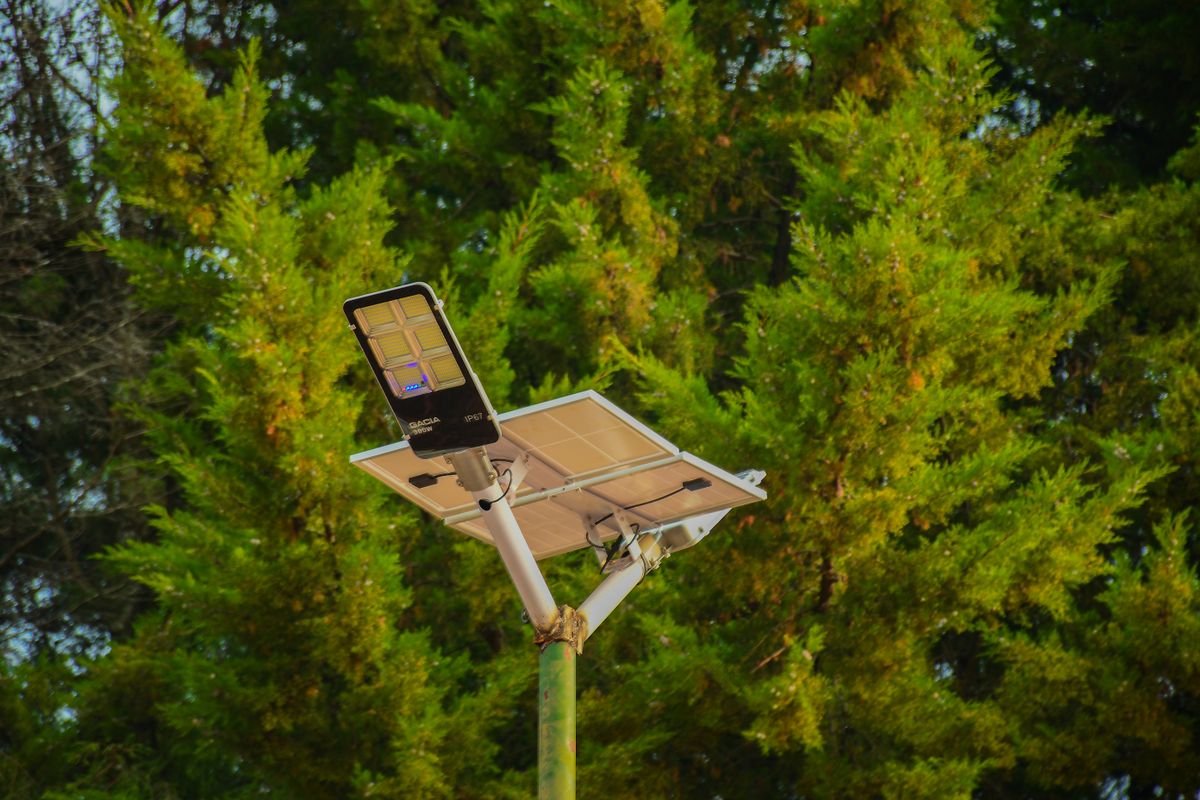
Photo by finix photographer on Pexels
- Solar Garden Lighting
- Solar Lights - Solar Powered Outdoor Lights
- Solar outdoor lights for trees that are bright