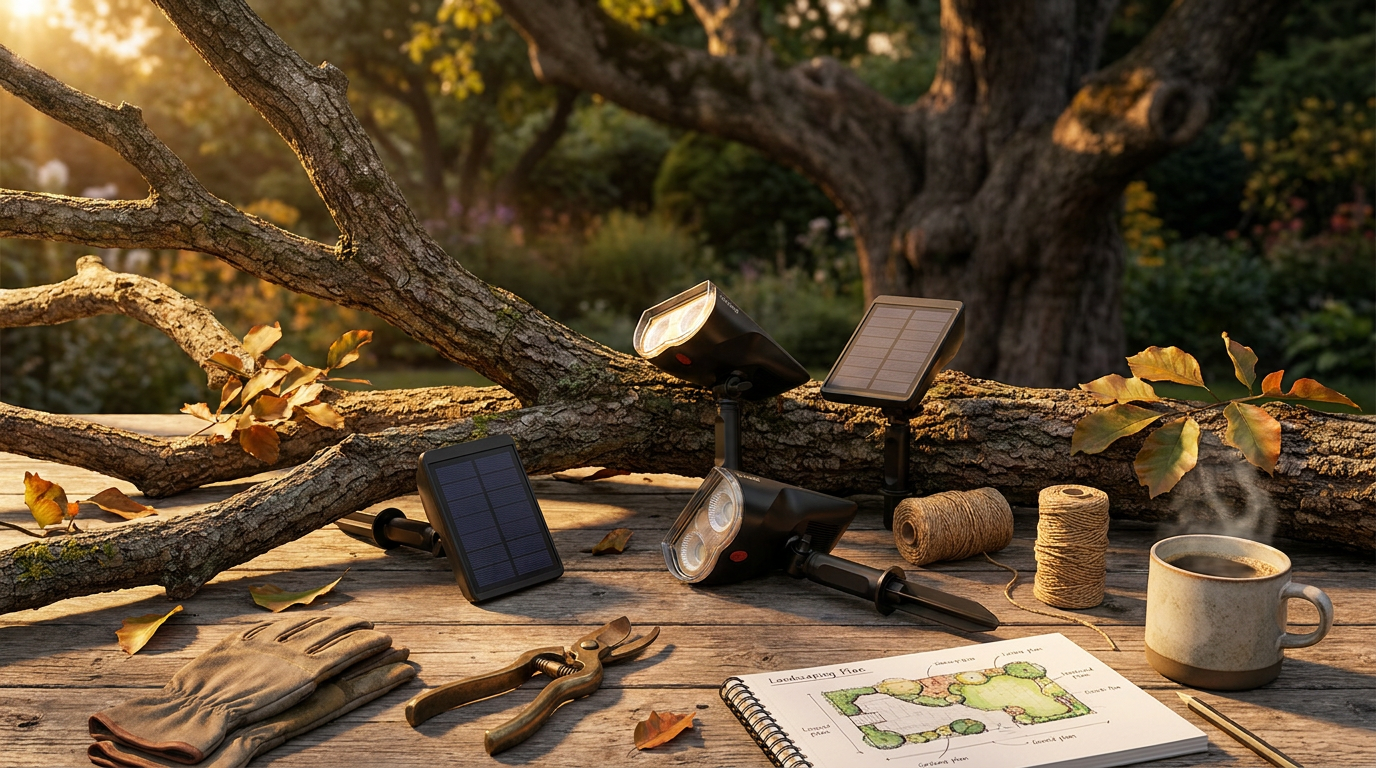
Applying Smart Solar Spotlight Tech to Mature Trees
 Daniel OkaforField Tester
July 13, 2026. This review focuses on the practical application of solar-powered uplighting to highlight the structural beauty of large yard trees. It is intended for homeowners who want professional-grade illumination without the labor of trenching for low-voltage wires.
The Challenge of Consistent Canopy Illumination
I spent years trying to get traditional solar stakes to do the work of a professional landscape crew, but the results were almost always dim. When you are trying to light a thirty-foot oak or a dense maple, the sheer volume of foliage usually absorbs low-lumen output. Most basic units fail because they cannot project a beam high enough into the canopy. According to The Best Solar Uplights for Trees, these fixtures are essential for adding charm to outdoor areas without the electricity consumption, but the reality on the ground is that positioning is everything. If the solar panel is integrated into the light head, you often have to choose between putting the light where the tree looks best or where the sun hits the panel.
During my initial setup, I noticed that the shadows cast by the very trees I was trying to light often blocked the charging sensors by mid-afternoon. This is a common hurdle when selecting the best solar landscape lighting for trees, as the density of the branches creates a moving shadow profile throughout the day. I tested this for three weeks in a yard with heavy canopy cover, and the biggest frustration was the inconsistency of the 'dusk-to-dawn' feature when the sensors were partially shaded. You need a system that can separate the energy collection from the light output to really make an impact on large-scale specimens. Day three is where I noticed that without a high-capacity battery, the lights would flicker out just as the evening entertaining actually began. High-quality solar lighting needs to solve the energy storage problem first.
Performance of the Smart Solar Spotlight System
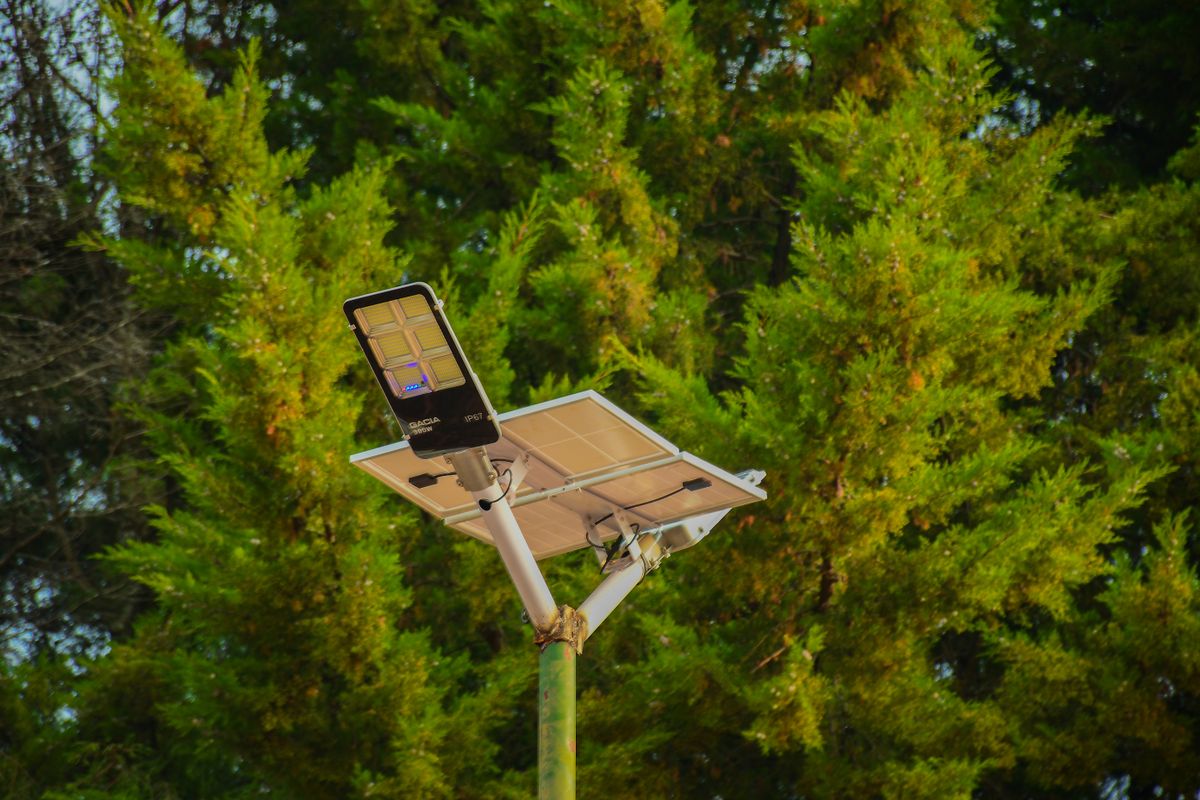
Photo by finix photographer on Pexels
What surprised me about the Smart Solar Spotlight was the integration of Bluetooth controls and app-based management. In the past, if I wanted to change the brightness of an uplight, I had to crawl under a wet bush to find a physical toggle. With this system, I was able to adjust the intensity of the beam directly from my phone. This is particularly useful for trees that change density with the seasons; I could turn the power up during the lush summer months and dial it back in winter when the bare branches required less light to pop. The dusk-to-dawn smart features ensure that the system isn't wasting battery life when there is still enough ambient light from nearby easy install solar driveway lighting or street lamps.
Here's the moment it earned its place: I was able to group multiple spotlights together within the app to create a 'scene.' This allowed me to sync the uplights on my perimeter trees with the motion sensor solar landscape lights I have near the back deck. The hardware itself felt substantial—not the thin plastic I've seen in big-box stores. It handled a heavy thunderstorm on night six without any moisture entering the lens housing. For those looking for versatility, Hoselink notes that solar lights can be strung or placed throughout plants to add depth, and the Smart Solar Spotlight follows this philosophy by offering a concentrated beam that cuts through the 'visual noise' of a dark yard. The color-changing solar spotlights for yard use also provide a way to shift the mood from a warm white for daily use to a more vibrant palette for specific events, all managed through the smart interface.
A Framework for Tree Lighting Success
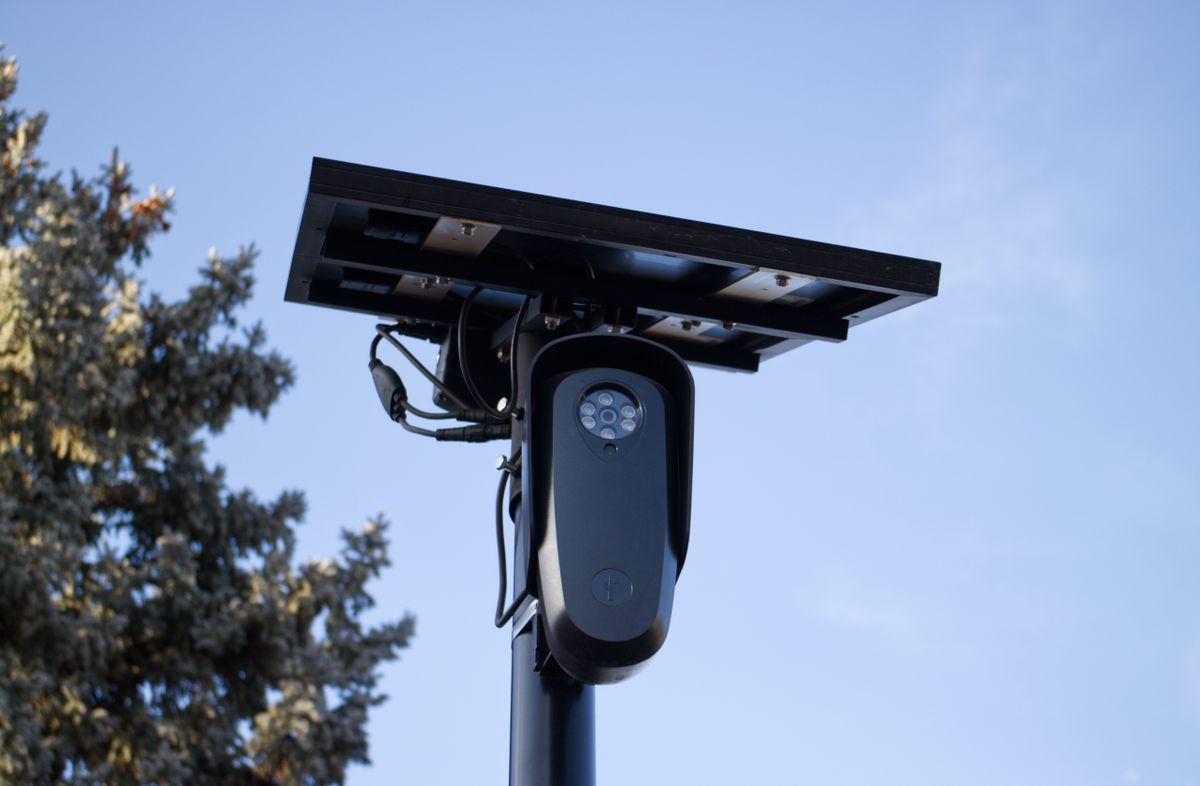
Photo by Will Freeman on Pexels
When you are planning your layout, don't just stick a light at the base of the trunk and hope for the best. To get the most out of a Smart Solar Spotlight system, you have to think about the architecture of the tree itself. If I were starting over, what I'd do differently is spend more time 'mocking up' the angles with a high-powered flashlight before staking the solar units into the ground. This prevents unnecessary holes in the turf and ensures the solar panels are oriented toward the south for maximum gain. You should also consider how these lights interact with other elements, such as motion sensor solar landscape lights, to ensure you aren't creating light pollution that washes out the dramatic shadows of the tree canopy.
Before you finalize your installation, use this checklist to ensure the best results:
- Panel Orientation: Ensure the solar collector has at least 6 hours of unobstructed southern exposure.
- Beam Angle: Position the light 2-4 feet from the trunk for a 'grazing' effect, or further back for a full canopy wash.
- App Calibration: Sync your lights to the local sunset time using the smart features to preserve battery.
- Maintenance Access: Place units where you can easily wipe the dust off the panels every few months.
- Layering: Combine your tree uplights with best solar landscape lighting for trees to create depth in the foreground and background.