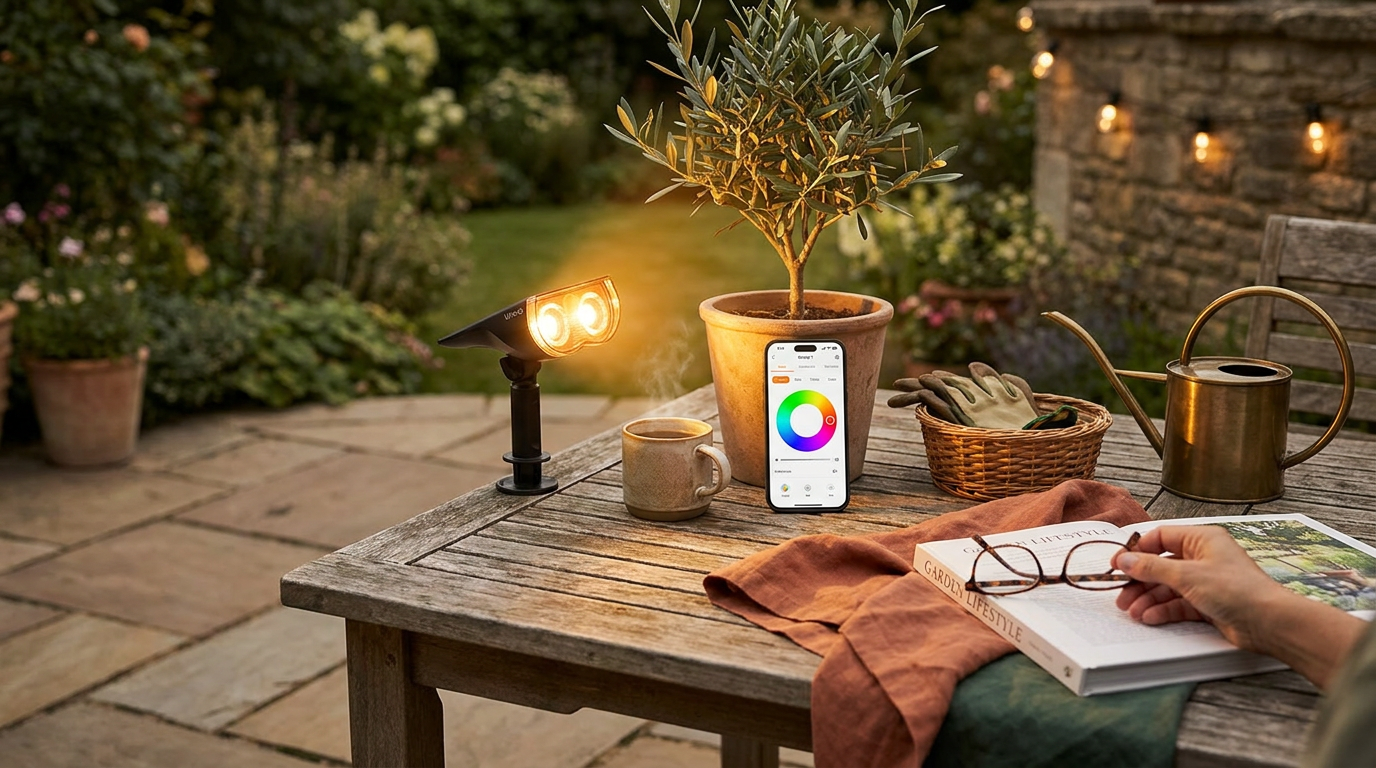
Smart Solar Spotlight Control via Mobile Applications
 Maya ChenContributing Editor
July 13, 2026. This analysis examines the technical integration of mobile application controls within the RGB solar lighting category. It is specifically written for consumers evaluating the reliability of wireless protocols in permanent outdoor installations.
The Limitations of Physical Controls in Modern Landscaping
The conventional wisdom says that solar lights should be 'set and forget' devices, relying entirely on integrated dusk-to-dawn sensors to dictate operation. However, this hands-off approach fails the moment a homeowner requires specific aesthetic synchronization or functional overrides for security. Standard hardware-only fixtures force users to manually toggle switches located at the base of the unit, often hidden behind wet foliage or submerged in mulch. According to Intelamp, traditional remote-controlled systems are limited by line-of-sight requirements and a fixed palette of nine colors, which often proves insufficient for complex architectural highlighting. The friction of physical interaction leads to 'feature abandonment,' where expensive color-changing capabilities are left unused because the interface is too cumbersome. Furthermore, the reliance on basic infrared remotes makes it impossible to manage large-scale arrays from inside the home. This lack of centralized control is a primary driver for the shift toward Bluetooth and Wi-Fi enabled systems that allow for granular scheduling and precise color temperature adjustments without physical contact.
Technical Integration of the Smart Solar Spotlight System
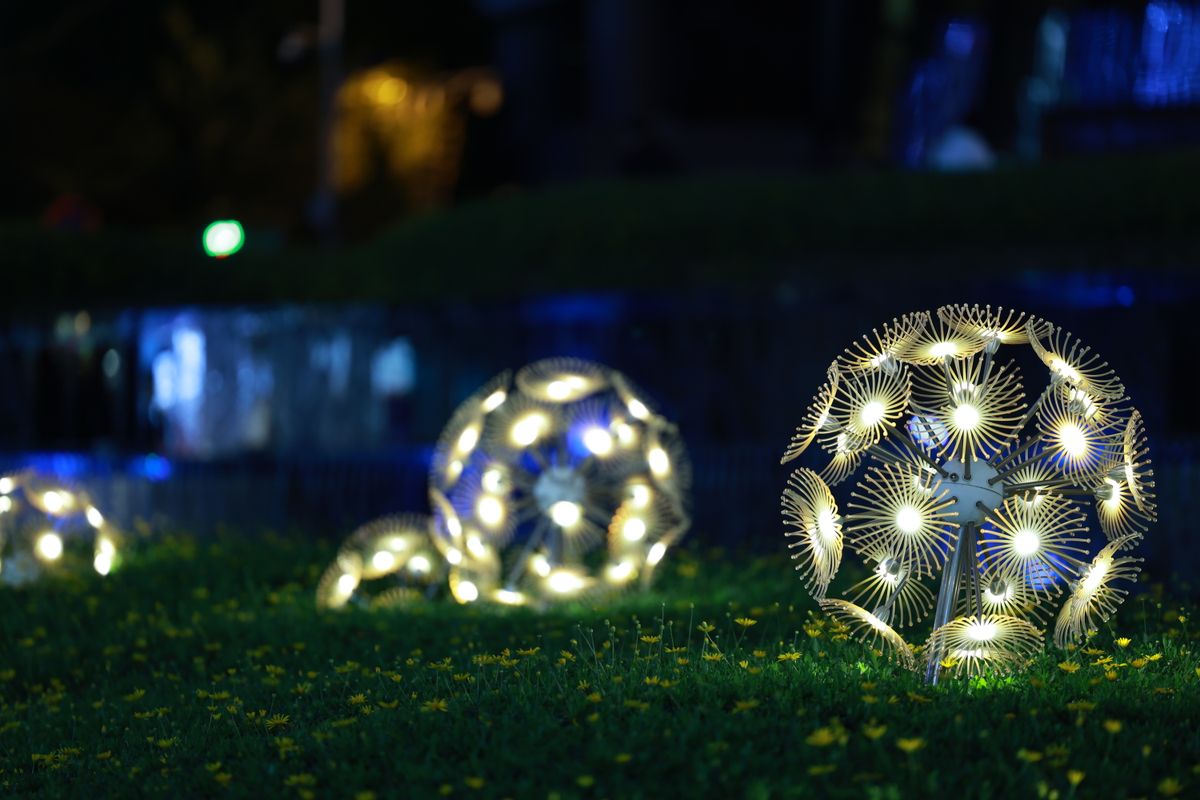
Smart Solar Spotlight addresses these interface failures by shifting the logic layer from the light fixture to the smartphone. While many competitors offer basic IP65 waterproofing, the integration of an app-based ecosystem allows for the management of 16 million color options and tunable white light ranges. Here's the part nobody talks about: the efficacy of a solar light is not just in its battery capacity, but in its ability to dim via software to preserve power during consecutive overcast days. By using the app to adjust brightness to 50%, users can effectively double their runtime without waiting for a full solar recharge cycle. This is critical for smart solar spotlight deployments where consistent performance is mandatory for safety. The system utilizes Bluetooth mesh or Wi-Fi bridges to ensure that commands are propagated across the yard, solving the range issues inherent in budget color changing solar spotlights. Unlike standalone units, these app-controlled systems allow for grouping, meaning a single tap can synchronize the entire driveway or backyard perimeter. This software-defined approach also enables diy smart hardscape lighting solar enthusiasts to program dynamic scenes that react to specific times of day or events, a feat impossible with hardware-locked sensors. The hardware, such as the Consciot Solar Spotlights, often features IP67 ratings to ensure the internal Bluetooth modules remain protected from moisture ingress, which is the leading cause of smart-feature failure in the category.
A Decision Framework for App-Enabled Solar Assets
When selecting a smart solar lighting system, the hardware specs are secondary to the software stability and connectivity protocol. A fixture with 16 million colors is useless if the Bluetooth handshake fails 40% of the time. Run the math: a standard 2-pack of app-controlled motion-sensing lights provides significantly more utility than four manual units if they can be programmed to trigger high-intensity white light upon detection while maintaining a low-intensity RGB glow for ambiance. I’ll change my mind when physical remotes can offer the same firmware update capabilities that keep mobile apps compatible with evolving smartphone operating systems. Before purchasing, verify the following technical requirements:
- Protocol verification: Ensure the system uses Bluetooth 5.0 or higher for improved range and stability.
- Grouping functionality: Confirm the app supports simultaneous control of multiple units to avoid individual pairing fatigue.
- Lumens vs. Battery: Check if the app allows for specific brightness percentages to manage discharge rates during winter months.
- Weather Rating: Prioritize IP67 over IP65 for smart components to ensure the wireless radio survives heavy rainfall.
- Motion Integration: Validate if the app can toggle between decorative color changing solar spotlights and functional security modes.
Shop Smart Solar Spotlight here