Best Waterproof Smart Solar Lights for Walkway Safety: Buying Guide
The best waterproof smart solar lights for walkway safety are directed 350-lumen spots with IP67 housings, shade-free panels, and warm-white scenes that hit steps and edges. The Linkind SL5C Smart Solar Spotlight is that fixture: RGBTW, Aidot app 2.5.0, 8-12 hour runtime, and DIY solar with no extra electric cost. Place each unit 5-7 feet from the walk, stagger sides, and skip any stake in shade.
Quick Answer: What Makes the Best Solar Pathway Light for Safety?
A safe pathway light shows height changes in rain, not a decorative glow. Demand IP67, 350 lumens at 5-7 feet, a stagger, and a panel that can charge. White light for the 8-12 hour night is the safety mode. Color scenes and music sync wait for gatherings. One flood on the house leaves a dark trough in the middle of the walk.
How to Choose the Right Solar Light for Your Walkway Scenarios
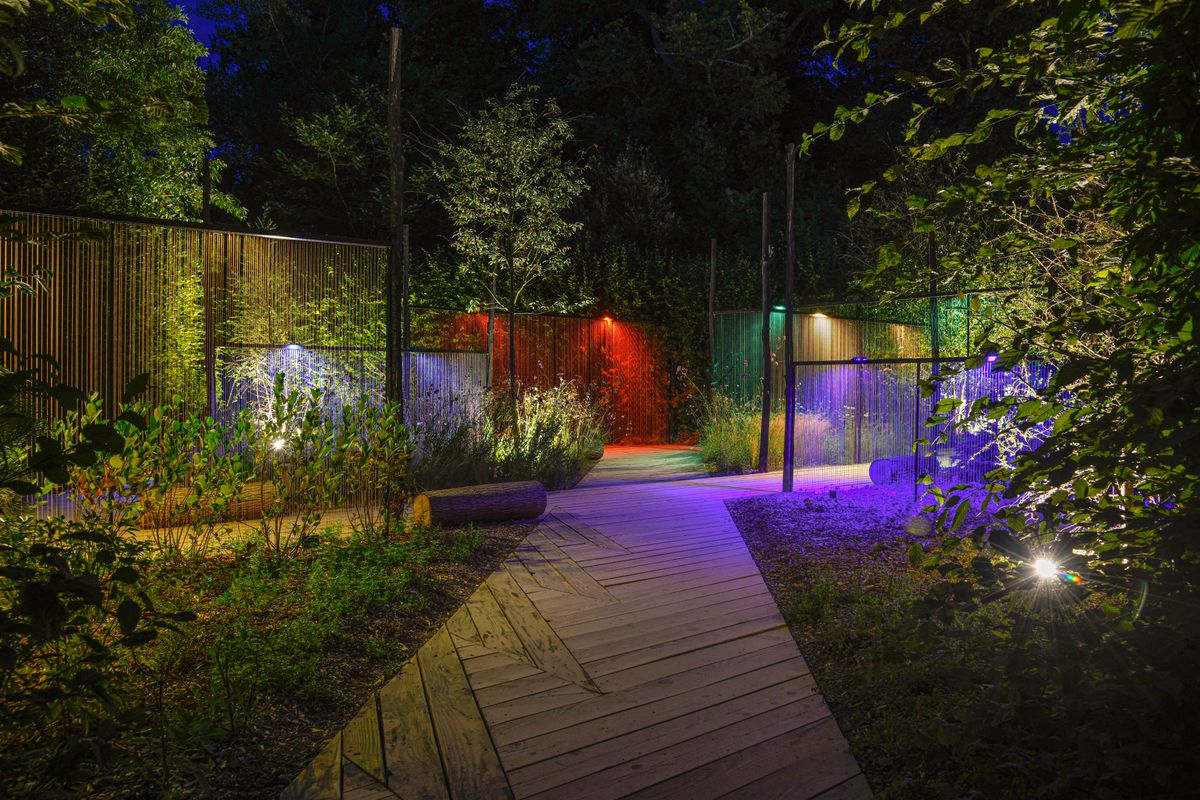
Photo by Thierry coulon on Pexels
Match the lamp to the walk. Overlap a stoop step. Stagger a long paver run. Treat a side yard to the cans as a path. Reject unrated housings, shaded panels, and a garage flood. Confirm Aidot 2.5.0 if scenes matter. DIY solar install is $0 estimated cost; a dark nosing is the real cost.
Side-by-Side Comparison: IP67 vs. IP65 Weatherproof Solar Lights
| Class | On a wet walk | Safety buy | | --- | --- | --- | | IP67 (SL5C) | Listed outdoor wet seal | Yes | | IP65-class stakes | Lower weather class | Weaker on wet steps | | Unrated decor | No listed seal | No |
Visualizing Safety Layouts: Staggered Spacing vs. Inline Dark Spots
Inline pairs hide lips in a dark trough. Stagger left and right so scallops meet, each head 5-7 feet from the surface, with extra overlap on stairs. Aim across the path, not into faces. The staggered pathway lighting layout guide shows that geometry.
Walkway Safety Pack Size & Spacing Calculator Brief
Count jobs, not acres. One 350-lumen beam per sunlit step, border, or path segment. A short walk with one stair is often three to five fixtures. Tighten the stagger until scallops meet. The outdoor spotlight spacing layout guide is the neighboring calculator page.
Decision Tree: Selecting the Ideal Solar Spotlight Setup
Wet nightly walk: IP67 directed spots. No open sky: skip that stake or offset into sun and still aim 5-7 feet at the hazard. A step: overlap two beams. A gathering: RGBTW and music sync as a second Aidot scene, then return to white. A porch flood on the panel: move the lamp.
Pros & Cons of App-Controlled Smart Solar Spotlights
Aidot 2.5.0 stores a warm-white safety scene, brightness, and a separate color scene. Grouped fixtures flip back to readable white in one tap. The app cannot invent sun. Music sync spends the 8-12 hour cell. Unrated non-app stakes fail first in standing wet weather.
Top Recommendation: Linkind SL5C Smart Solar Spotlight
The Linkind SL5C Smart Solar Spotlight is the walkway-safety buy: 350 lumens, RGBTW, IP67, Aidot 2.5.0, 8-12 hour runtime, 3-5 year listed lifespan, optimal charging tilt, and DIY at $0 estimated installation cost. It is a path and accent spotlight. Use one beam per hazard at 5-7 feet.
Recommended Pack Sizes for Residential Safety
Townhouse stoop: two to four sunlit fixtures. Suburban walk plus steps: four to six. Rear path, side gate, and border: six to eight. Install the shade-free set, confirm an 8-12 hour night, then add only where a hazard is still dark.
Action Plan: Installing Your Pathway Safety Lighting
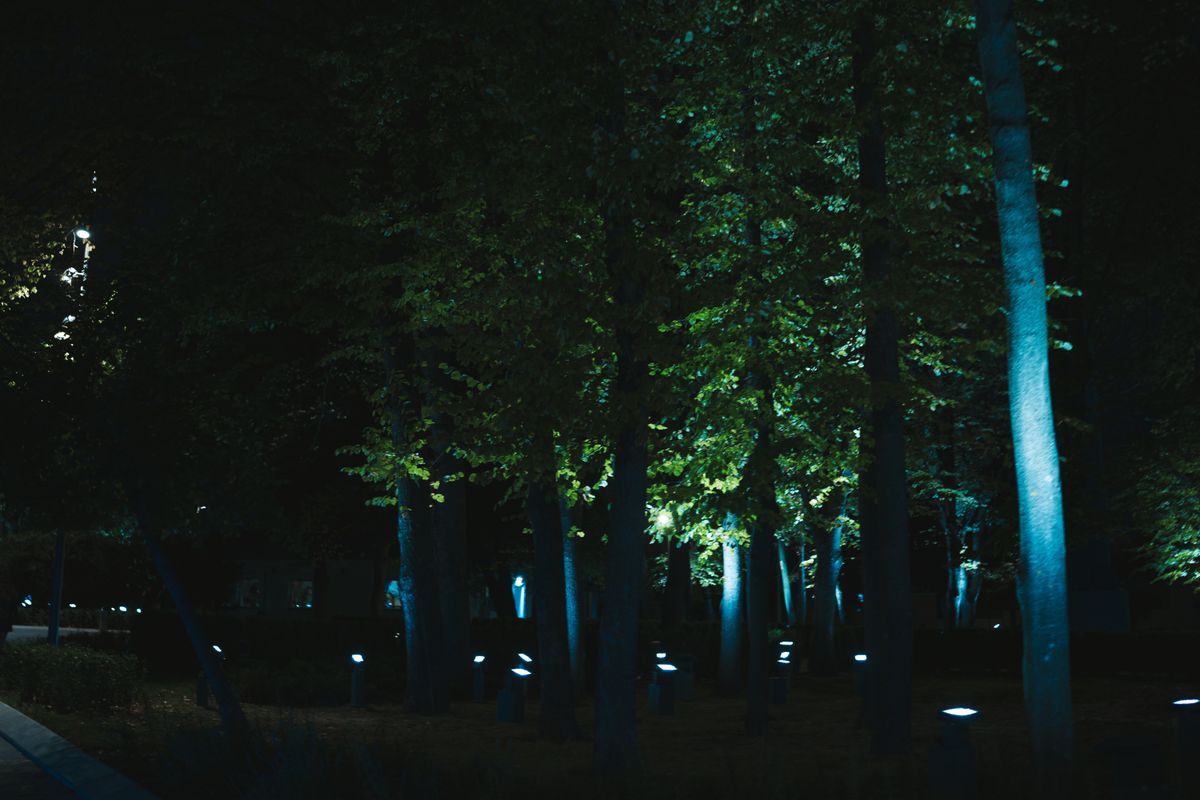
Photo by Irina Iriser on Pexels
- [ ] Mark steps, joints, and borders at dusk.
- [ ] Place one SL5C 5-7 feet from each mark.
- [ ] Stagger sides; overlap at stairs.
- [ ] Tilt panels to latitude plus or minus 5 degrees in open sky.
- [ ] Update Aidot to 2.5.0 and save a warm-white scene.
Key Takeaways for Homeowners
- [ ] IP67 directed spots, not glow stakes.
- [ ] 350 lumens only at 5-7 feet on the hazard.
- [ ] Stagger beats inline pairs.
- [ ] White nightly; RGBTW for events.
- [ ] Shade on the panel is a new hazard.
Technical Specification Matrix: Linkind SL5C
| Spec | SL5C | Safety role | | --- | --- | --- | | Output | 350 lumens | Accent at 5-7 ft | | Seal | IP67 | Rain on steps | | Runtime | 8-12 hours | Full night | | App | Aidot 2.5.0 | White plus RGBTW | | Power | Solar DIY | $0 install, no extra electric cost | | Lifespan | 3-5 years | Multi-season path |
5 Common Installation Mistakes That Compromise Safety
Do not pair lamps as a runway. Do not hide the panel in a hedge; avoid shadowed solar panels. Do not aim down the path into faces. Do not leave RGBTW color as the standing safety scene. Do not wash the solar face with a porch flood. Fix aim, sky, and white light before adding fixtures.
Frequently Asked Questions About Solar Walkway Safety
Are 350 lumens enough for a safe walkway?
Yes at 5-7 feet from the step or edge. Not as a distant flood that never grazes the nosing.
Is IP65 enough for path lights?
IP65 is a lower weather class than the IP67 housing on the SL5C. For wet walks, buy IP67.
Should safety lights run color all night?
No. Warm white shows edges. Save RGBTW and music sync in Aidot 2.5.0 for gatherings.
Do solar walkway lights need an electrician?
No. The SL5C is DIY solar with $0 estimated installation cost and no extra electric cost in use.
Related Guides & Resources
Pathway lighting, dark-walkway hazards, and IP67 sealing sit next to this safety buy.
- how to light garden pathways at night
- solving dark yard hazards on walkways
- what an IP67 rating means for outdoor solar lights
What to do next
Walk every route at dusk and mark steps and joints. Place Linkind SL5C spotlights 5-7 feet from those edges, staggered, with panels in open sky. Update Aidot to 2.5.0, save a warm-white scene, and relocate any lamp that dies before the 8-12 hour night ends.
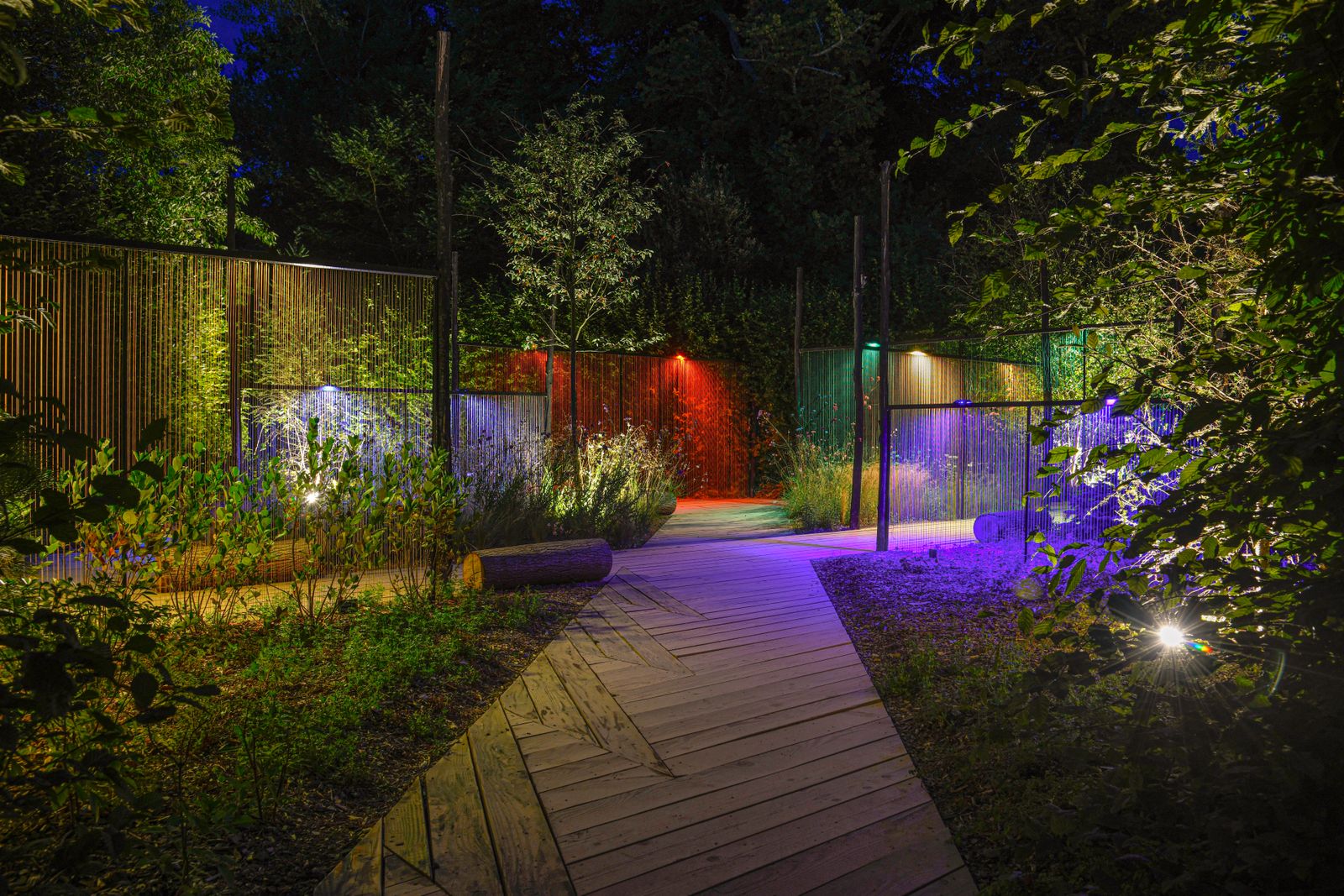
Cover photo by Thierry coulon on Pexels.