How to Light Garden Pathways at Night: The Complete Outdoor Illumination Guide
How to Light Garden Pathways at Night: The Complete Outdoor Illumination Guide
Properly illuminating garden pathways transforms your outdoor living space into a safe, functional, and visually captivating sanctuary after sundown. Whether you want to highlight manicured borders or prevent nighttime trips and falls, understanding the core principles of outdoor pathway lighting is essential.
Why Pathway Lighting Matters for Your Outdoor Space
Nighttime pathway lighting serves two main purposes: practical safety and decorative ambiance. Unlit walkways present trip hazards, especially around uneven stepping stones, stairs, or garden beds. Strategic lighting outlines boundaries, illuminates changes in elevation, and guides guests safely through your yard. Additionally, layered lighting brings out natural textures in plants and architectural features, raising your property's curb appeal.
Planning Your Garden Pathway Lighting Layout
Before purchasing fixtures, walk your garden at night with a flashlight to map out key areas. Identify main walkways, steps, bends, and dark zones. Rather than placing lights in a continuous straight line—which creates an unnatural 'airport runway' appearance—opt for a staggered layout. Positioning lights on alternating sides of the path provides balanced, uniform illumination without harsh glare.
Solar vs. Hardwired Lighting Options
When choosing lighting fixtures, low-voltage hardwired setups and solar-powered fixtures are the two primary choices. Hardwired systems require buried cables and transformers, leading to higher installation costs. Conversely, solar options offer zero extra electric cost and an estimated installation cost of $0 (DIY).
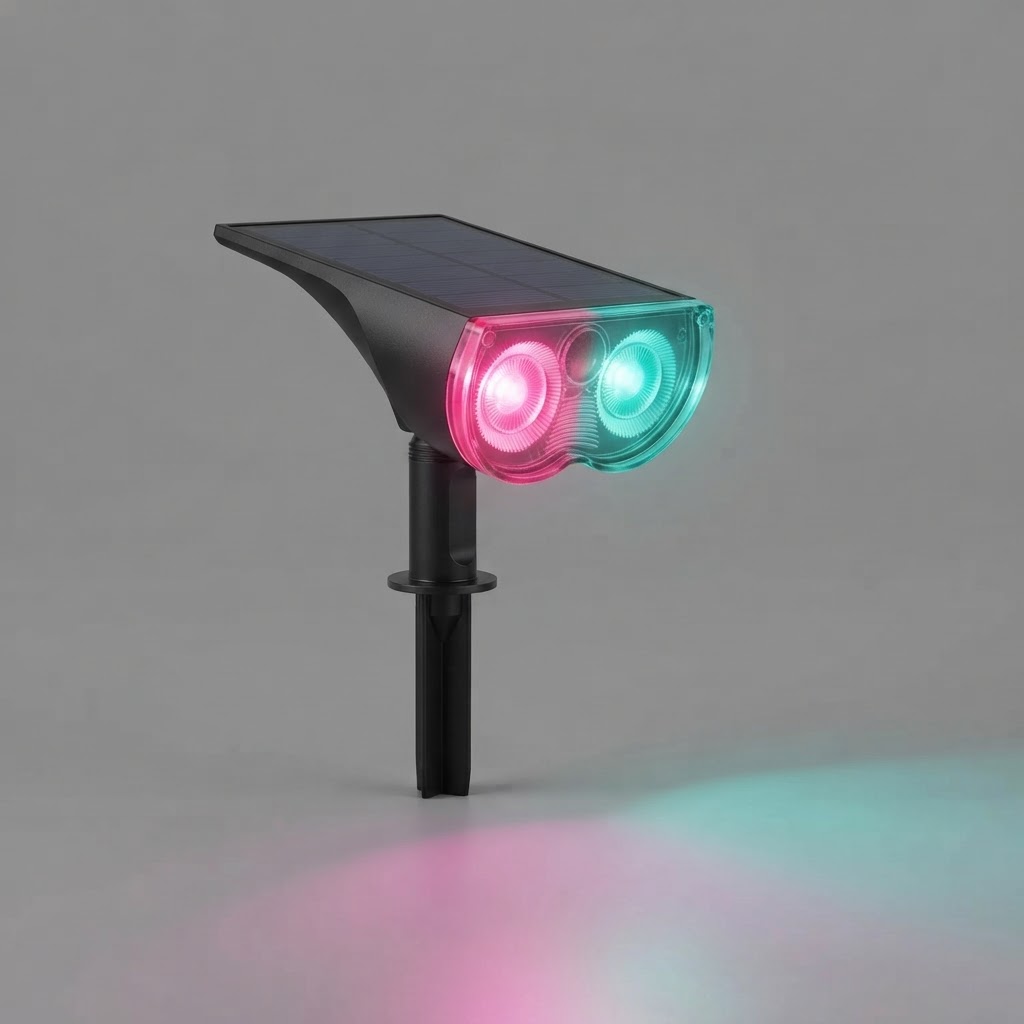
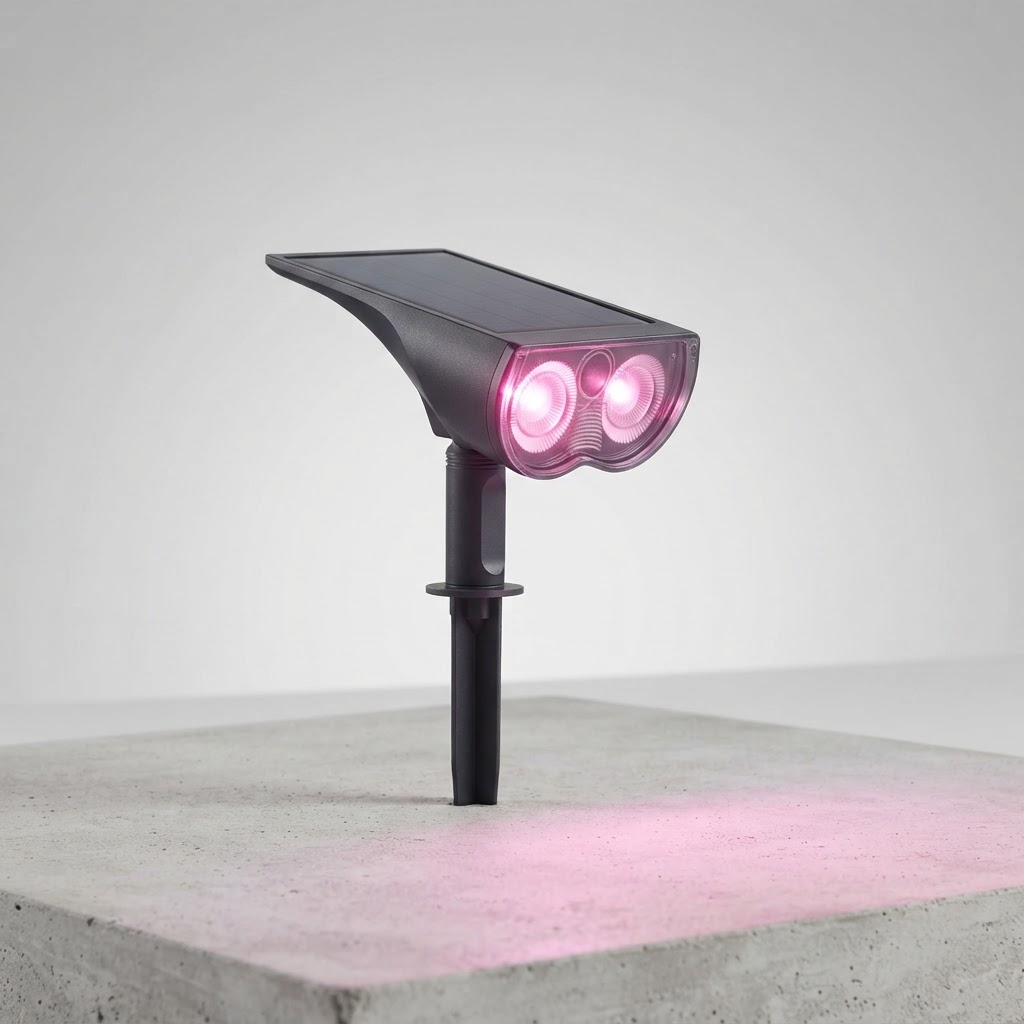
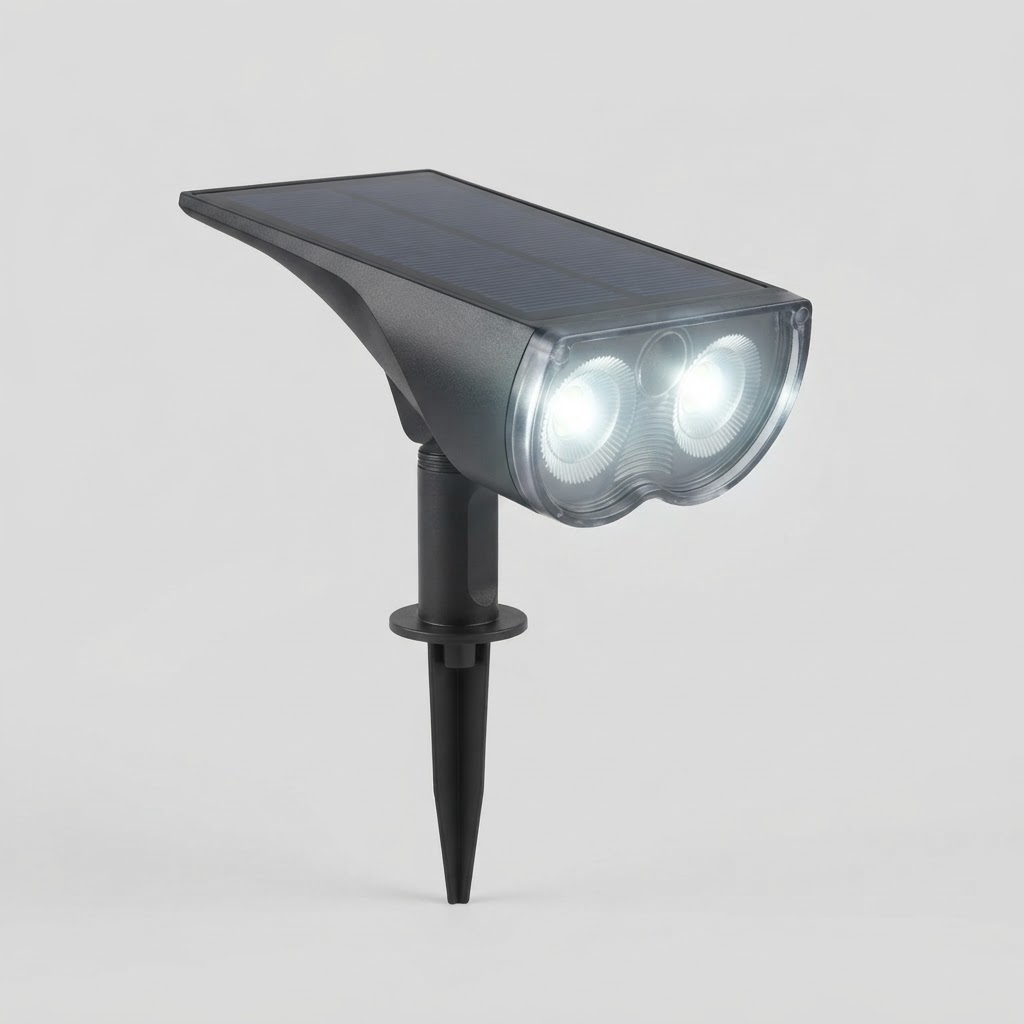
Modern fixtures like the Smart Solar Spotlight feature RGBTW Color-changing LED lights, an IP67 waterproof rating, and a 350 lumens light output. With battery run times of 8-12 hours and an expected lifespan of 3-5 years, high-performance solar spotlights remove the complexity of traditional wiring while delivering consistent brightness.
Optimal Fixture Placement and Spacing
For balanced light distribution, install fixtures 5-7 feet from targeted pathway objects or plants. In the Northern Hemisphere, set solar panel tilt at ±5° from your local latitude to ensure maximum sunlight exposure during the day. Avoid mounting lights under heavy tree canopies or near strong external light sources that could disrupt automatic sensors.
Maximizing Efficiency with Smart Controls and Solar Charging
Integrating smart connectivity elevates standard outdoor lighting. Using dedicated mobile software like the Aidot app (version 2.5.0), homeowners can customize scene presets, adjust color temperatures, dim brightness, or sync lighting to music. Always ensure solar panels remain free of shade during peak daylight hours to maintain optimal charge performance night after night.
Related in this cluster
- How to Position Solar Lights Along Your Garden Pathway
- Solar Spotlights vs. Hardwired Low-Voltage Lighting for Walkways
- Smart Solar Spotlight: The Ultimate Outdoor Pathway Lighting Solution
- Pathway Solar Lighting FAQ: Installation, App Control, and Troubleshooting
- 5 Creative Ideas for Nighttime Pathway Ambiance
- Solving Dark Yard Hazards: Upgrade Dark Walkways Without High Electric Bills