Outdoor Spotlight Spacing Guide: Staggered Layout & Calculator
Should you space outdoor spotlights linearly or in a staggered layout? For optimal, glare-free walkway coverage without high-contrast dark spots, place spotlights 5 to 7 feet apart in an alternating staggered pattern along opposite sides of the path. Position fixtures 2 to 3 feet back from the walkway edge and tilt solar panels ±5° from local latitude toward the southern sky.
Interactive Staggered Pathway Spacing & Pack Size Calculator
Use this planning tool to convert total walkway dimensions into precise fixture counts, alternating stake intervals, lateral offsets, and recommended product pack sizes. The calculation engine applies standard 90° to 120° LED beam cone geometries to eliminate overlapping glare zones and unlit foot-traffic hazard spots.
Pathway Layout Scenario Matrix: Linear vs. Staggered vs. Edge Placement
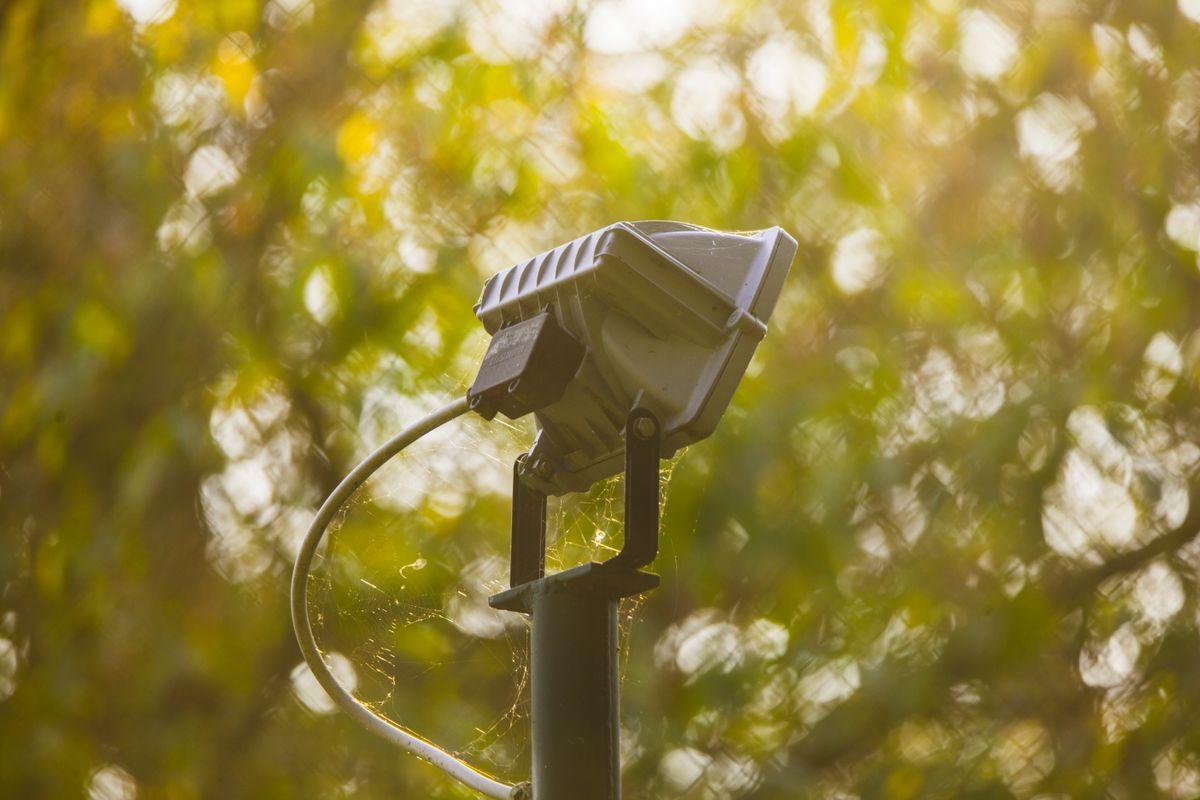
Photo by Francesco Paggiaro on Pexels
| Walkway Scenario | Recommended Layout Style | Staggered Distance | Lateral Offset | Glare & Hotspot Risk | Visual Depth & Security |
| --- | --- | --- | --- | --- | --- |
| 30-Foot Straight Garden Walkway (3 ft wide) | Alternating Staggered | 6 Feet | 1.5 to 2.0 Feet | Low (Smooth Overlap) | High (3D Landscape Depth) |
| 40-Foot Curved Stone Path (4 ft wide) | Inner/Outer Curve Staggered | 5 Feet | 2.0 Feet | Very Low (Follows Contour) | Optimal (Highlights Foliage) |
| 50-Foot Main Entrance Drive (6+ ft wide) | Wide Boundary Staggered | 7 Feet | 2.5 to 3.0 Feet | Low (Peripheral Focus) | Maximum Security Perimeter |
| 20-Foot Narrow Side-Yard Path (2.5 ft wide) | Single-Side Linear (Unilateral) | 5 Feet | 1.0 to 1.5 Feet | Moderate (If angled incorrectly) | Moderate (Functional Clearance) |
Selecting the wrong placement pattern distorts spatial depth and creates eye fatigue. Review how different walkway configurations respond to linear, staggered, and boundary lighting arrangements.
Recommended Solution: Linkind SL5C Smart Solar Spotlight Pack Selection
For comprehensive yard coverage that integrates app automation with superior weatherproofing, the Linkind SL5C Smart Solar Spotlight is our primary recommendation.
- Dynamic Light Control: RGBTW color-changing LED engine with adjustable color temperature and custom music synchronization via the Aidot app (version 2.5.0).
- IP67 Waterproof Rating: Fully sealed housing resists heavy rain, snow melt, and lawn sprinkler impact.
- Solar Optimization: Integrated multi-angle tilt mechanism allows solar panels to align within ±5° of local latitude without re-staking the light cone.
- Zero Electrical Wiring: High-efficiency photovoltaic cell eliminates underground trenching and extra utility costs.
Critical Spacing Failures & Solar Pathway Lighting Mistakes
Leading your project by diagnosing failure modes prevents costly re-staking and battery performance issues. Avoid these four common installation mistakes:
Pro Tip: Solar Panel Latitude Adjustment & Photocell Protection
To maximize energy capture and prolong illumination through winter months, set your solar panel tilt angle to match your local latitude ±5° (facing due South in the Northern Hemisphere). Maintain a minimum distance of 5 to 7 feet between the spotlight lens and target focal foliage. Ensure the top photovoltaic collector remains clear of overhanging foliage drip lines and ambient porch light illumination to prevent photocell false triggers.
Initial Action Plan: Layout & Staking Guidelines
Your decision: Determine total pathway length and select the corresponding Linkind SL5C pack size.
Do this next: Use the interactive calculator to determine exact stake placement distances, mark your lawn at 5-7 foot staggered intervals, and verify solar panel southern clearance before staking.
- Read next: US Regional Solar Spotlight Alignment Guide: Finding Your Ideal Tilt Angle
- Read next: How Many Solar Spotlights Do You Need? A Landscape Pack Size Selection Guide
Linkind SL5C Smart Solar Spotlight (4-Pack or 8-Pack Bundle)
Follow these foundational steps before driving stakes into ground soil:
Essential Rules for Outdoor Spotlight Spacing
- Staggered Rule: Space fixtures 5 to 7 feet apart diagonally along alternating sides of the walkway.
- Lateral Offset: Maintain a 2 to 3-foot offset back from the path edge to prevent mower damage and direct foot-traffic glare.
- Target Distance: Position spotlight lenses 5 to 7 feet away from focal plants, walls, or architectural features for smooth light dispersion.
- Solar Tilt Precision: Angle panels to local latitude ±5° facing South for optimal photovoltaic charging.
- Smart Grouping: Use Aidot App v2.5.0 to group staggered path fixtures for synchronous scene creation and automated scheduling.
Visual Blueprint: Staggered vs. Linear Pathway Beam Overlap Schematics
This schematic illustrates visual beam overlap, 5-7 ft spacing intervals, and 2-3 ft offset boundaries.
Real-World Spacing Layout Case Studies
30-Foot Suburban Garden Walkway — Deploy a 6-foot staggered alternating layout across opposite borders. Stake 6 total Linkind SL5C units (a 4-Pack plus a 2-Pack bundle) offset 2 feet from the flagstone border to achieve seamless illumination.
50-Foot Curved Front Entryway Path — Utilize 5-foot spacing intervals along outer curve points to cast light inward toward foot traffic. Stake 10 units (8-Pack plus 2-Pack bundle) with solar panels tilted to local latitude facing unobstructed South.
Review how mathematical layout rules translate into real-world yard applications:
Pre-Purchase & Pre-Installation Layout Checklist
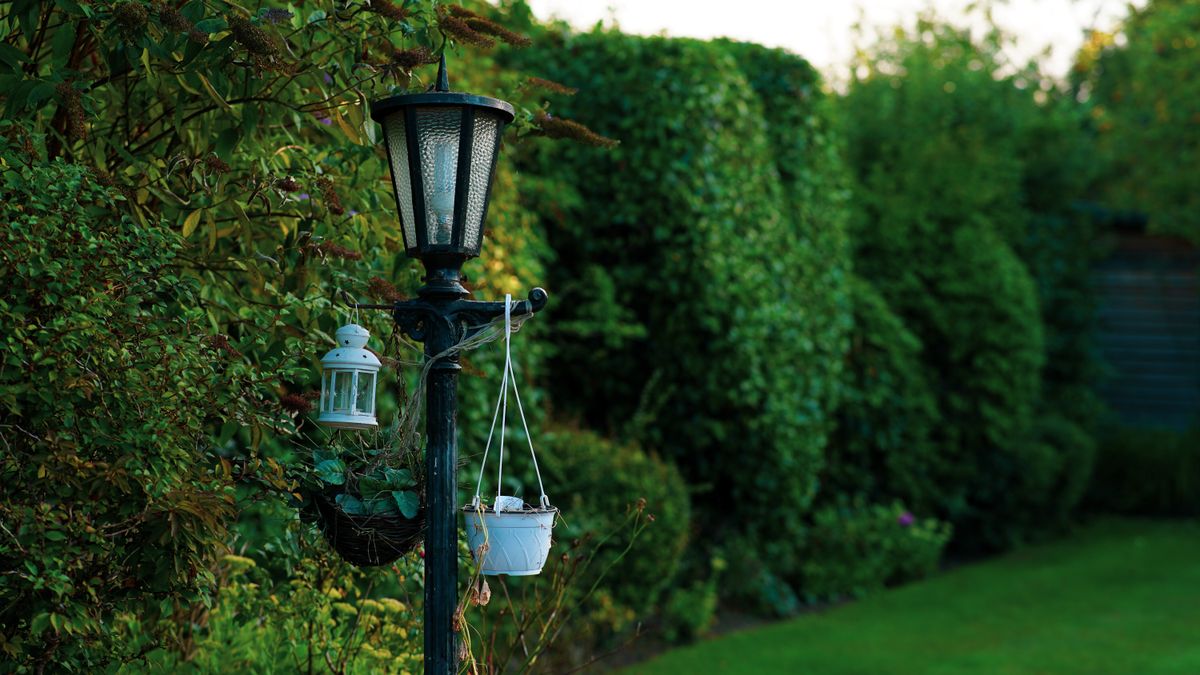
Photo by JINU JOSEPH on Pexels
- Measure total pathway length and width using a soft tape measure.
- Check overhead canopy during peak daylight hours (10 AM - 2 PM) to avoid shade zones.
- Mark stake positions every 5 to 7 feet in an alternating zig-zag pattern.
- Maintain a 2 to 3-foot lateral offset from the edge of the walking surface.
- Verify light fixtures sit at least 5 to 7 feet back from target focal plants or ground features.
- Adjust solar panel tilt to local latitude ±5° facing South (in Northern Hemisphere).
- Ensure no bright artificial light source (porch lights, streetlights) shines directly on solar photocells.
- Pair fixtures with Aidot App v2.5.0 before final ground staking to confirm mesh connectivity.
Printable Field Guide: Landscape Lighting Spacing Blueprint
- Stagger Interval: 5 to 7 feet alternating left/right along path.
- Lateral Offset: 2 to 3 feet set back from walking surface.
- Focal Distance: 5 to 7 feet from object lens target.
- Panel Orientation: Due South at local latitude ±5°.
- App Setup: Group fixtures in Aidot v2.5.0 prior to final ground staking.
Deep-Dive Resources for Outdoor Solar Setup
Explore additional technical lighting guides to expand your landscape design:
- US Regional Solar Spotlight Alignment Guide: Finding Your Ideal Tilt Angle
- How Many Solar Spotlights Do You Need? A Landscape Pack Size Selection Guide
- Smart Solar Spotlights vs. Low-Voltage Hardwired Pathway Lighting
- How to Fix Undercharging Smart Solar Spotlights: Panel Tilt & Alignment Troubleshooting
Frequently Asked Questions About Outdoor Spotlight Spacing
How far apart should solar spotlights be placed along a walkway?
Place solar spotlights 5 to 7 feet apart in an alternating staggered layout along opposite sides of the path. This pattern produces uniform beam overlap across the walking surface while eliminating harsh central glare and dark spots.
What is lateral offset in pathway lighting design?
Lateral offset refers to placing lighting fixtures 2 to 3 feet back from the edge of the walking path. This set-back prevents accidental tripping, protects fixtures from lawn mower damage, and softens direct eye glare for walking pedestrians.
Why are my solar spotlights shutting off or flickering near my porch light?
High-intensity ambient light from porch fixtures or streetlamps triggers the internal dusk-to-dawn photocell sensor. The spotlight detects bright ambient light and assumes it is daytime, causing it to shut off or flicker. Reposition the fixture 5 to 7 feet away or rotate the sensor away from ambient sources.
How do I group staggered spotlights in the Aidot app v2.5.0?
Open Aidot app v2.5.0, select 'Add Device Group', power on your paired Linkind SL5C spotlights, and assign them to your designated 'Pathway' group. From there, you can adjust brightness levels, sync RGBTW colors, and apply scheduled dusk-to-dawn scenes.
Find quick solutions to common layout, placement, and app control questions:
Smart Solar Lighting Equipment for Staggered Pathways
Equip your yard with smart solar fixtures designed for effortless spacing and app integration:
Your Next Steps: From Layout Design to Installation
Your decision: Determine your total pathway length and select the correct Linkind SL5C pack size.
Do this next: Use the interactive calculator to determine exact stake placement distances, mark your lawn at 5-7 foot staggered intervals, and verify solar panel southern clearance before staking.
- Read next: US Regional Solar Spotlight Alignment Guide: Finding Your Ideal Tilt Angle
- Read next: How Many Solar Spotlights Do You Need? A Landscape Pack Size Selection Guide
Linkind SL5C Smart Solar Spotlight (4-Pack or 8-Pack Bundle)
Complete your planning phase and execute your outdoor lighting transformation:
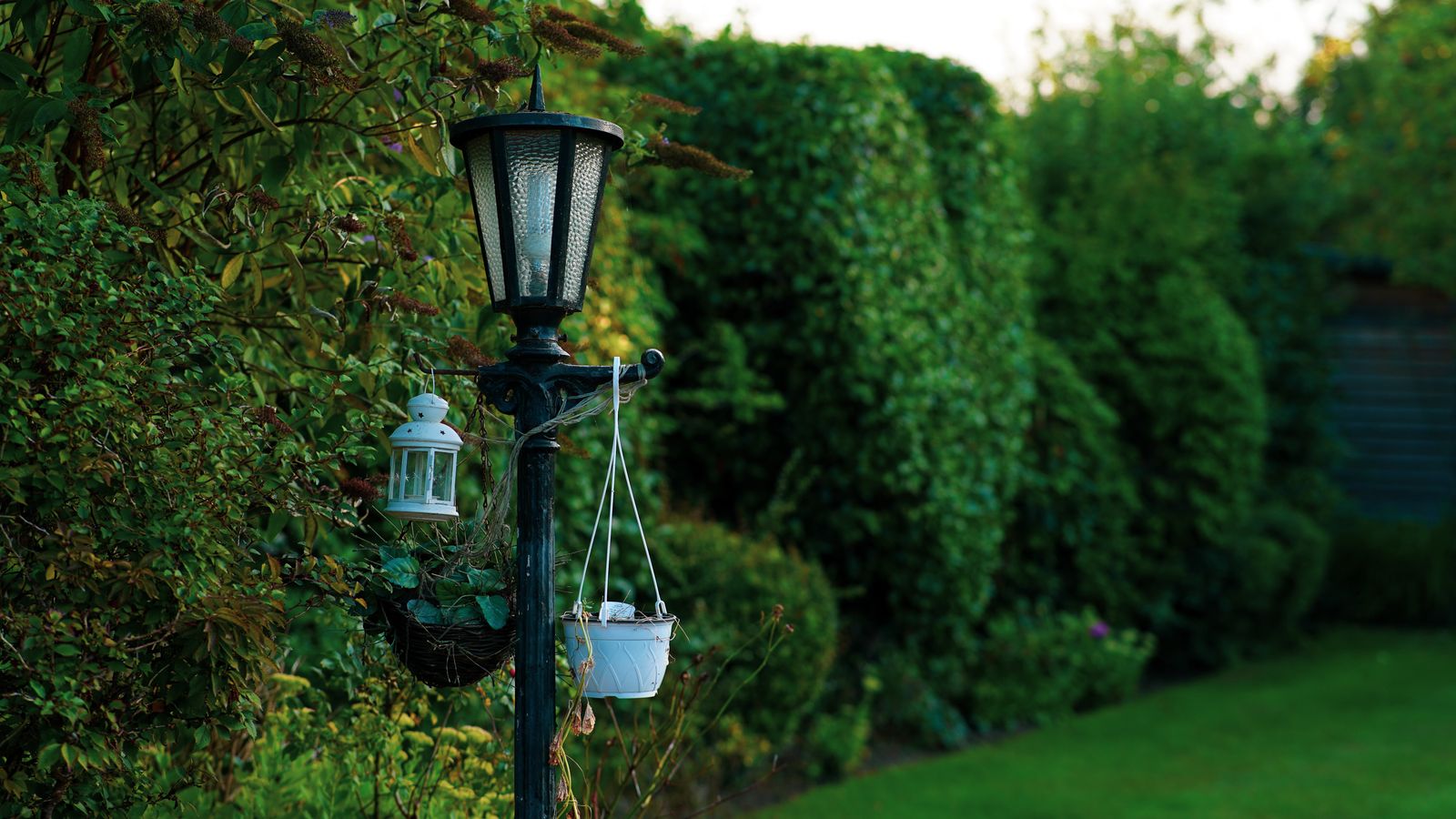
Cover photo by JINU JOSEPH on Pexels.