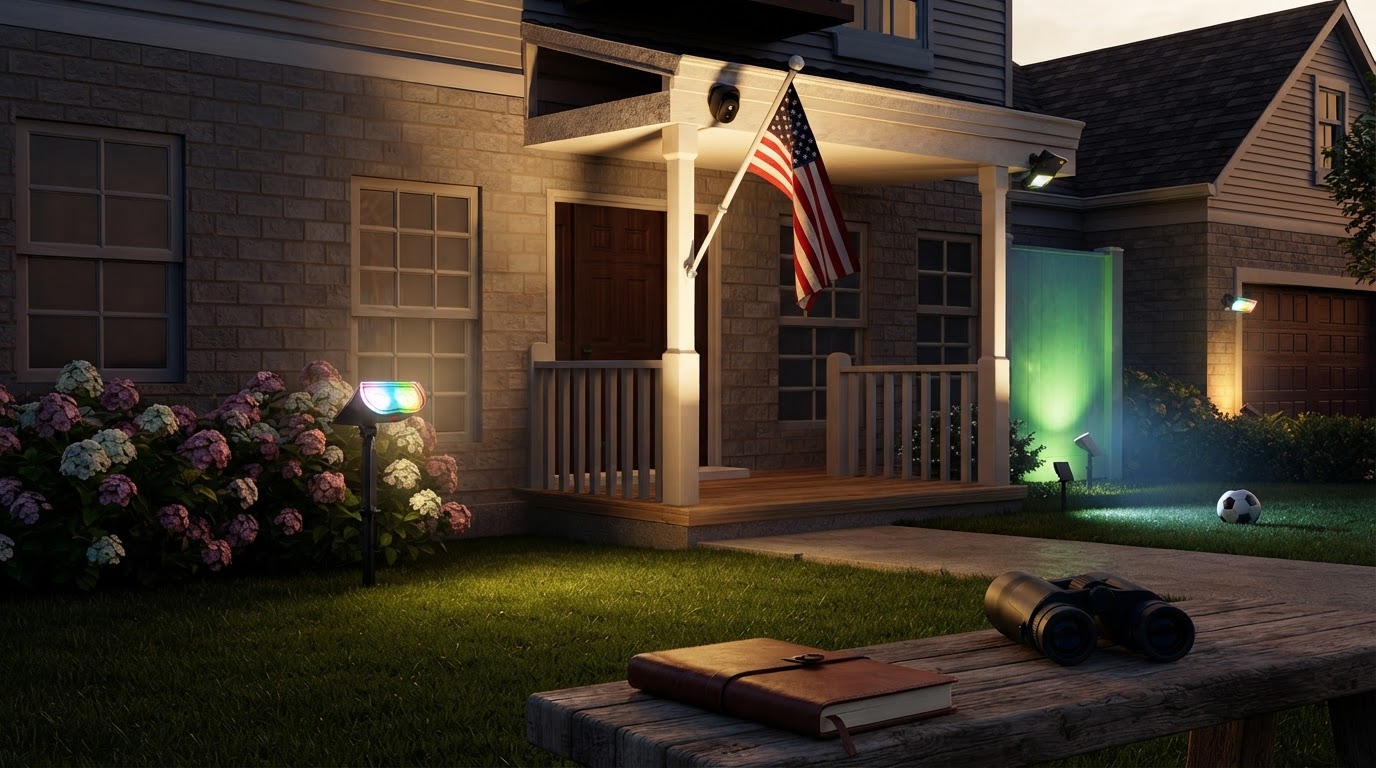
Security Camera Trends and Linkind Solar Spotlight Testing
 Daniel OkaforField Tester
August 11, 2026 — Recent evaluations of outdoor technology highlight a shift toward integrated 4K video and renewable power sources for home protection. While security systems evolve, I spent the last two weeks testing how the Linkind SL5C Smart Solar Spotlight complements these high-tech setups in a real-world backyard environment.
I tested this for fourteen days straight during a particularly rainy spell in the Northeast. According to Geeky Gadgets, security cameras have become an essential part of modern home protection, with recent testing by Smart Home 101 focusing on seven standout models that prioritize 4K resolution. While those cameras handle the recording, I found that consistent illumination is what actually makes the footage usable. I mounted the Linkind units along my perimeter fence, specifically looking to see if the IP67 waterproof rating would hold up against heavy downpours.
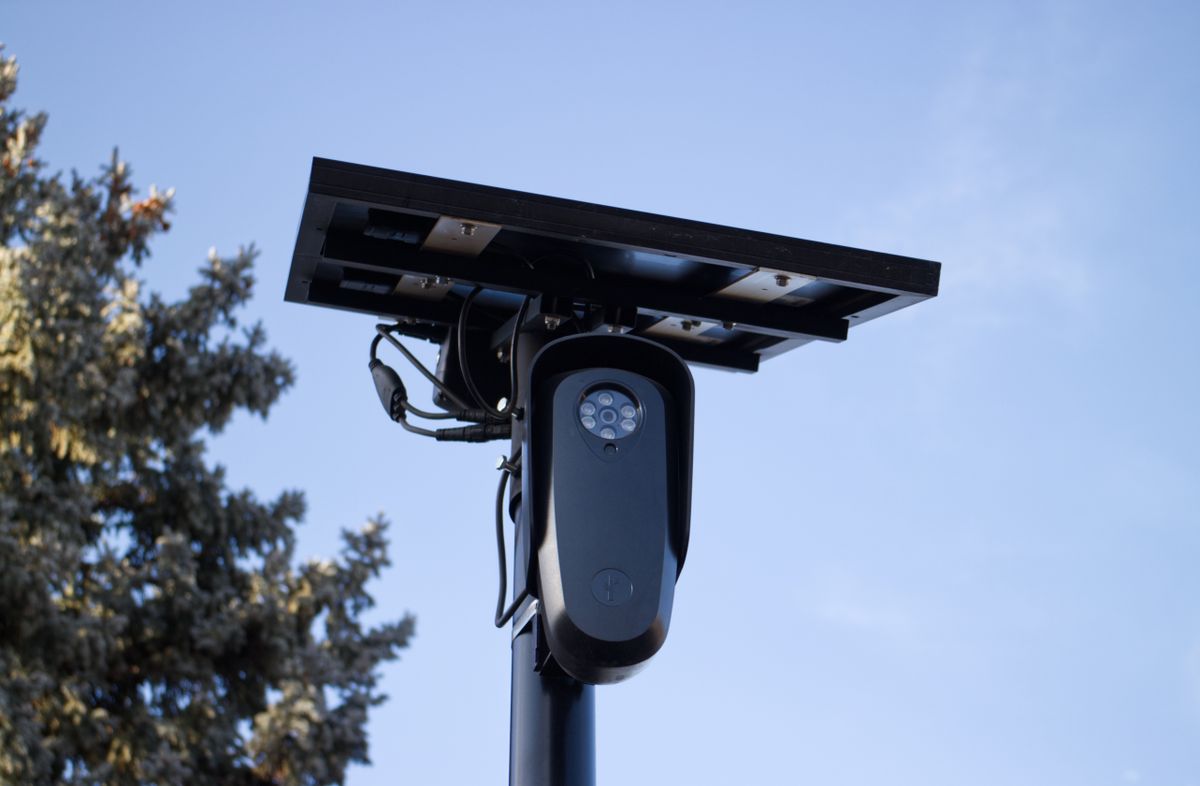
Photo by Will Freeman on Pexels
Day three is where I noticed the importance of the Aidot app version 2.5.0. I initially had some lag when trying to sync the color-changing cycles, but once I updated the software as recommended, the connection stabilized. What surprised me: the staggered path lighting approach actually reduced the glare on my doorbell camera. By spacing the lights about 6 feet apart, I avoided the 'white-out' effect that often ruins night vision footage on the solar security camera setups I've used previously.
During the installation, I had to adjust the solar panel tilt. Since I’m in the Northern Hemisphere, I set the angle to roughly 45 degrees—about 5 degrees off my local latitude. This ensured the battery hit 100% even with partial afternoon shade. I noticed that if the panel was even slightly shadowed by a nearby shrub, the light would cut out two hours earlier than the others. If you are integrating these with motion sensor lighting, placement is everything. The hardware itself felt sturdy, though the plastic stakes require a pilot hole if your soil is dry.
Expert tip: To get the most uniform glow, install your lights 5 to 7 feet away from the trees or walls you want to illuminate. I found that placing them closer created harsh hot spots that looked messy on my smart home integration dashboard.
What I'd do differently next time is clear the area of secondary light sources sooner. My neighbor's porch light was hitting one sensor, tricking the Linkind spotlight into thinking it was daytime. Once I shielded that specific unit, it performed perfectly. For those building out a full outdoor lighting system, these spots provide the necessary fill light that 4K cameras need to maintain color detail at night.