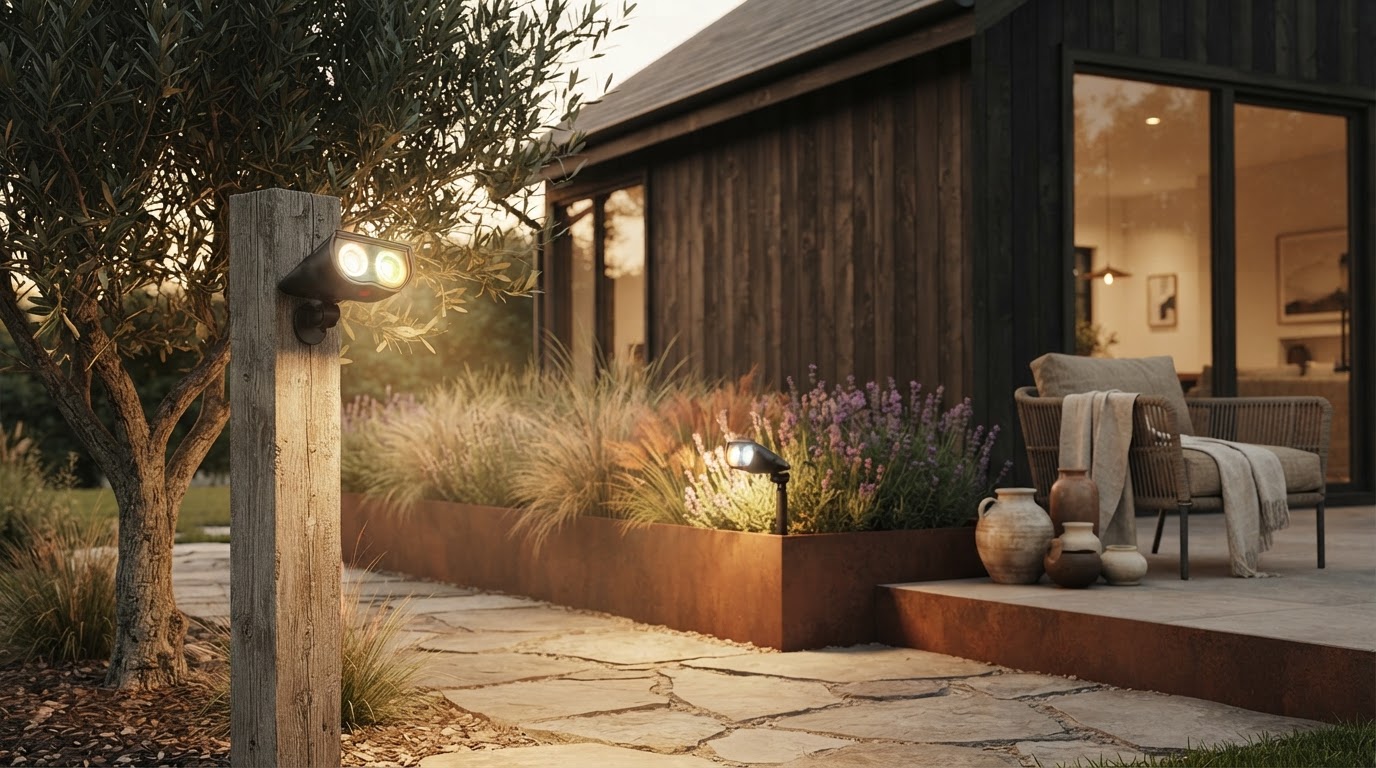
Security Camera Trends and Smart Solar Spotlight Strategy
 Priya RamanSenior Analyst
August 6, 2026 — Recent market evaluations of high-resolution security hardware are redefining how homeowners integrate outdoor power solutions. As solar-powered surveillance becomes a standard for property protection, the technical requirements for placement and charging efficiency have moved to the forefront of landscape design.
To understand the integration of security and ambiance, think of it as a matrix of two primary dimensions: Energy Autonomy and Visual Coverage. Two axes matter here: the horizontal axis measures the reliability of the solar intake (from shadowed to direct exposure), while the vertical axis measures the functional output (from passive illumination to active 4K recording). Once you see it this way, it becomes clear that hardware like the Linkind SL5C Smart Solar Spotlight must be positioned where these axes intersect to ensure both security and aesthetic goals are met without manual maintenance. The decision rule: prioritize solar panel tilt and clearance over immediate proximity to the target object to ensure long-term operational uptime.
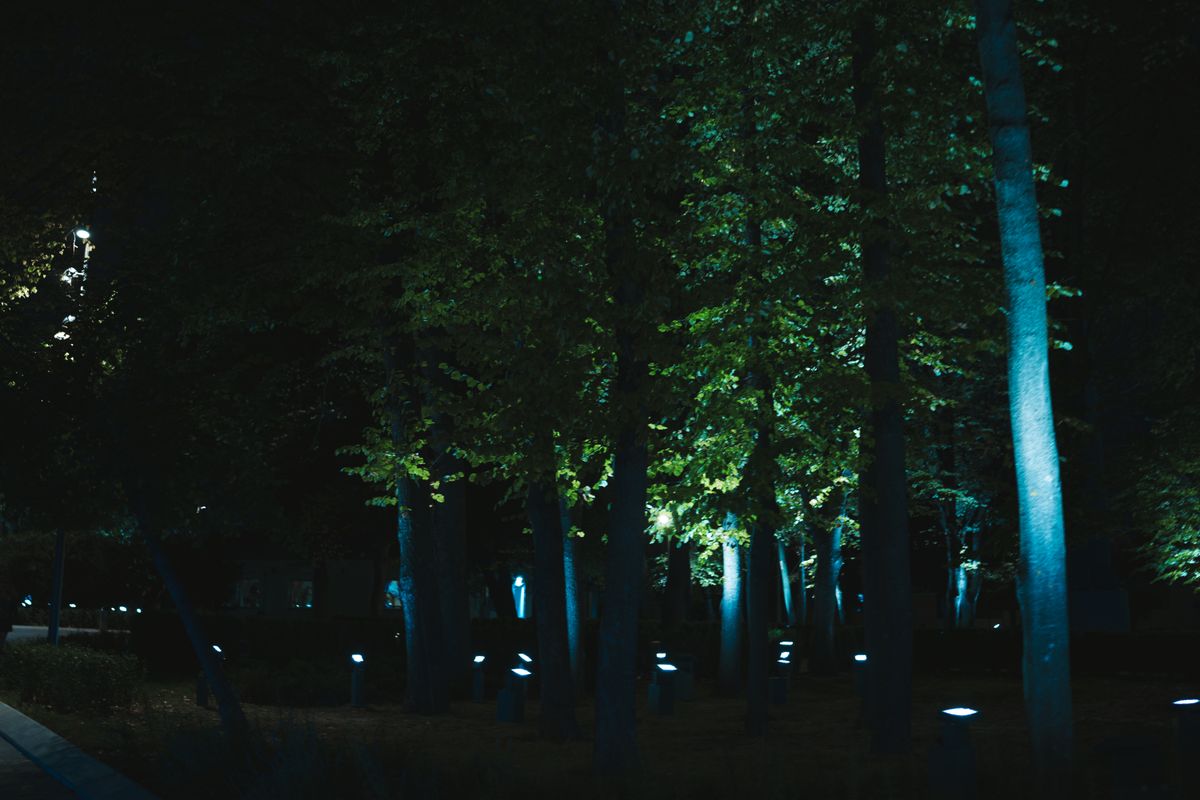
Photo by Irina Iriser on Pexels
According to Geeky Gadgets, current market leaders in the security space are focusing on 4K video capabilities and solar options to meet modern property protection needs. Their analysis of seven standout models highlights that power consistency remains the most critical factor for high-resolution devices. This mirrors the requirements of the Smart Solar Spotlight, which utilizes the Aidot app (version 2.5.0) to manage color-changing features and performance metrics. When deploying these systems, users must account for the local latitude; in the Northern Hemisphere, a tilt of ±5° from the local latitude is required for the solar panels to capture sufficient energy, especially when paired with high-drain devices like 4K cameras.
Effective deployment requires a staggered path lighting approach to maintain uniform illumination without creating the dark spots that often trigger false alerts in security sensors. Integrating waterproof outdoor lights alongside surveillance ensures that the camera's night vision sensors are supplemented by consistent ambient light. Furthermore, maintaining smart app control allows for the synchronization of lighting schedules with camera motion alerts, creating a cohesive automated garden system.
Expert tip: To maximize the lifespan of your solar-powered hardware, avoid placing panels near strong external light sources or in shadowed areas. For the Linkind SL5C, installing the units 5-7 feet from the intended object provides the optimal balance of light dispersion and sensor accuracy, preventing the overexposure of video feeds during nocturnal recording.
As solar technology continues to evolve, the convergence of security and decorative lighting provides a more robust framework for home management. Consistent firmware updates to the Aidot app ensure that these systems remain compatible with the latest security protocols.