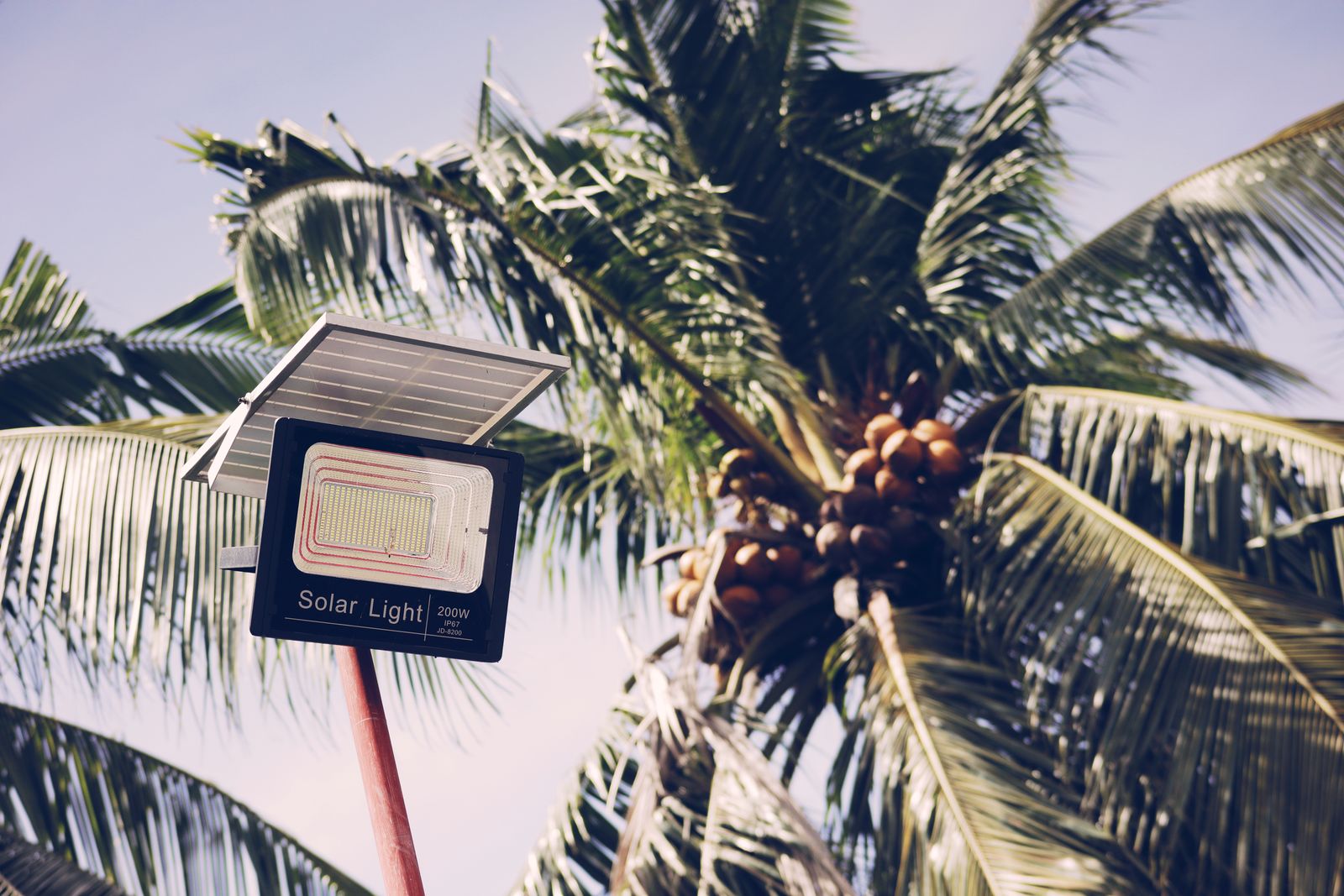
Seasonal Solar Spotlight Tilt Adjustments: Winter vs. Summer Optimization Guide
Contrary to the widespread myth that setting an outdoor solar panel to a fixed 30° angle provides optimal power year-round, fixed angles cause up to a 40% loss in solar energy capture during winter months. Because the sun drops lower on the horizon in winter, a fixed panel misses direct solar radiation, leading to early nighttime dropouts.
To ensure reliable, all-night illumination, adjust your solar spotlight panel tilt bi-annually: set your panel tilt to local Latitude + 15° during the September Fall Equinox for steep winter charging, and local Latitude - 15° during the March Spring Equinox for summer peak efficiency.
Bi-Annual Solar Spotlight Tilt Adjustment Timeline
- March 20 (Spring Equinox) — Flatten panel tilt angle to local Latitude - 15° (approx. 15° to 30° from horizontal). Clean winter grime off IP67 glass panels.
- Mid-June (Summer Solstice) — Perform a mid-season visual inspection. Ensure fast summer plant canopy growth does not shade solar collector panels.
- September 22 (Fall Equinox) — Steepen panel tilt angle to local Latitude + 15° (approx. 45° to 60° from horizontal) to capture low winter sun arcs.
- Early December (Winter Solstice) — Verify Aidot app (v2.5.0) power management profiles. Lower fixture brightness to 40-50% to align with reduced daylight charging hours.
Bi-Annual Solar Panel Maintenance & Inspection Schedule
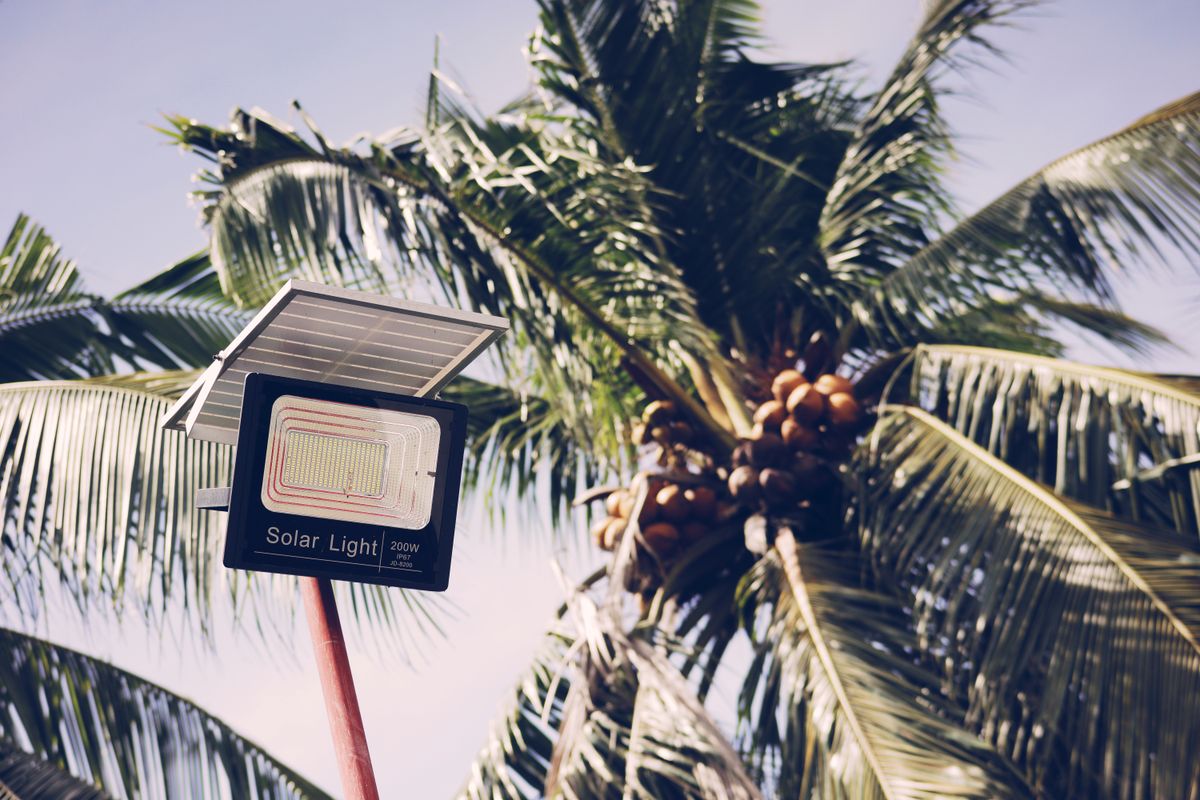
Photo by Nothing Ahead on Pexels
- Spring Audit (Late March) — Loosen panel joint screw, adjust tilt to Latitude - 15°, inspect IP67 waterproof rubber seal, and wipe solar glass with damp microfiber cloth.
- Mid-Summer Check (July) — Trim surrounding foliage. Ensure lights remain 5-7 feet from illuminated objects and away from competing artificial ambient lights.
- Autumn Audit (Late September) — Steepen tilt angle to Latitude + 15°. Clear fallen leaves from panels and re-tighten adjustment joints securely before frost.
- Winter Care (January) — Brush off fresh snow accumulation. Verify Aidot app is updated to version 2.5.0 and set battery saving mode.
Pro-Tip: Balancing Seasonal Tilt Angles with Smart App Power Management
Physical tilt adjustments solve half the winter solar challenge; smart energy management solves the rest. During winter, daylight hours shrink while night illumination requirements expand to 13+ hours. Even at an optimized steep tilt angle of Latitude + 15°, solar panels collect fewer overall watt-hours.
To bridge this seasonal gap, open the Aidot app (v2.5.0) and configure your smart solar spotlights to operate at 40% to 50% brightness during December and January, or implement dynamic scheduled dimming after midnight. Lowering the power draw preserves battery voltage through long winter nights without sacrificing essential perimeter security lighting.
5 Critical Seasonal Solar Adjustment Mistakes to Avoid
Avoid these common setup errors that compromise battery charging performance and hardware durability:
Visualizing the Solar Arc: Summer vs. Winter Tilt Angle Diagram
Understanding how the solar zenith angle shifts between seasons illustrates why static panel placement causes winter lighting failures.
Interactive Seasonal Solar Spotlight Tilt Calculator
Use this calculation logic to determine the exact seasonal panel angles for your specific US location.
Frequently Asked Questions About Seasonal Solar Panel Tilt
How does snow buildup affect my solar spotlight tilt angle?
Steep winter tilt angles (Latitude + 15°, usually 50° to 65°) allow snow and ice to slide off smooth IP67 tempered glass panels naturally due to gravity. This keeps photovoltaic cells clear without requiring manual scraping.
Should I change my Aidot app brightness settings in the winter?
Yes. Lowering spotlight brightness to 40-50% in Aidot App v2.5.0 during winter months balances reduced daylight charging hours with longer winter nights, guaranteeing all-night runtime.
What are the best dates to adjust solar spotlight tilt angles?
The ideal adjustment dates are the Fall Equinox (around September 22) for winter steepening and the Spring Equinox (around March 20) for summer flattening.
How do I safely clean my IP67 solar spotlight panel after winter storms?
Use a soft, damp microfiber cloth with warm water to gently wipe away road salt, dust, and grime. Avoid harsh chemical sprays or abrasive sponges that could scratch anti-reflective lens coatings.
Answers to common reader questions regarding seasonal angle adjustments, severe winter weather, and smart app settings.
US Latitude Zone Tilt Matrix & Seasonal Calendar
| US Region & Latitude Band | Spring/Summer Tilt (March 20) | Fall/Winter Tilt (Sept 22) | Recommended Snow Angle | Aidot App Brightness Setting |
| --- | --- | --- | --- | --- |
| Northern US (42°N - 48°N e.g., Seattle, Minneapolis, Boston) | 27° - 33° | 57° - 63° | 60°+ (Maximum shed) | 40% - 50% |
| Central US (35°N - 41°N e.g., Denver, Kansas City, Philadelphia) | 20° - 26° | 50° - 56° | 55° | 50% - 60% |
| Southern US (25°N - 34°N e.g., Houston, Atlanta, Miami) | 10° - 19° | 40° - 49° | 45° (Standard) | 70% - 100% |
Find your geographic latitude band in the matrix below to apply optimal seasonal tilt angles.
Next Steps: Executing Your Bi-Annual Solar Lighting Audit
Your decision: Determine whether your location (above or below 35°N) warrants bi-annual solar panel tilt adjustments.
Do this next: Check your local latitude, adjust your solar spotlight panels to Latitude + 15° in late September, and lower Aidot App brightness to 50% for reliable all-night winter security.
- Read next: Troubleshooting Solar Spotlight Charging: Panel Angles and Placement Optimization
- Read next: How to Configure Smart App Brightness and Scenes for All-Night Solar Battery Life
Linkind SL5C Smart Solar Spotlight (featuring IP67 waterproofing and multi-axis adjustable solar panel joints).
Take these quick steps to prepare your outdoor landscape lighting for optimal seasonal performance.
Key Takeaways for Seasonal Tilt Optimization
- Fixed solar angles lead to significant winter energy loss; bi-annual equinox adjustments increase winter solar absorption by up to 40%.
- Use the Northern Hemisphere tilt rule: Latitude - 15° in spring (March 20) and Latitude + 15° in autumn (September 22).
- Steep winter panel angles (50° to 65°) naturally shed snow and ice from smooth IP67 glass surfaces.
- Combine physical tilt adjustments with Aidot app (v2.5.0) power profile management, setting brightness to 40-50% during winter months.
- Ensure spotlights are installed 5-7 feet from targeted features and kept clear of competing ambient light sources.
Seasonal Adjustment Strategy Comparison: Fixed vs. Bi-Annual vs. Quarterly
Photo by Jonathan Borba on Pexels
| Criteria | Fixed Year-Round Angle | Bi-Annual Equinox Adjustment | Quarterly Seasonal Tuning |
| --- | --- | --- | --- |
| Winter Solar Energy Capture | Baseline (-35% energy loss) | High (+30% energy gain) | Maximum (+38% energy gain) |
| Annual Maintenance Effort | Zero labor required | 10 minutes (Twice per year) | 20 minutes (Four times per year) |
| Snow Shedding Performance | Poor (Flat glass holds snow) | Excellent (Steep 55°+ slope slides snow) | Optimal (Custom slope) |
| Battery Health & Lifespan | Risk of winter deep discharge | Balanced safe discharge cycle | Optimal battery longevity |
| Recommended User Profile | Southern zones (<28°N) | Most US Homeowners (30°N - 48°N) | Solar enthusiasts & northern zones |
Compare maintenance strategies across key operational criteria to select the right routine for your yard.
Decision Support: Is Seasonal Tilt Adjustment Worth It for Your Yard?
Bi-annual adjustment yields up to 40% more winter solar energy capture for landscape spotlights, preventing night dropouts in latitudes above 30°N.
Best choice for
- Bi-Annual Adjustment (Lat + 15° Winter / Lat - 15° Summer) — Low winter solar arcs and short daylight hours require perpendicular panel alignment to achieve full battery charge.
- Steep Autumn Tilt (Latitude + 15° to +20°) — Steep glass angles prevent snow accumulation over solar cells.
- Leaving panels horizontally flat (0° tilt) in northern winter zones, which traps snow and starves solar cells of light.
- Fixed Latitude Angle — Acceptable only in low southern states (e.g., Florida or Southern Texas below 28°N) where seasonal solar arc variance is minimal.
Regional Climate Guidance: Snow, Cloud Cover, and Canopy Changes
Different US climate regions present unique operating environments for solar spotlights:
- Northern Tier (42°N - 48°N): Severe winter solar reductions require a full Latitude + 15° tilt angle (up to 63°). Combine steep tilt angles with Aidot app v2.5.0 brightness reductions (40%) to prevent early shutoffs.
- Central Tier (35°N - 41°N): Moderate winter arcs benefit from bi-annual adjustments on the equinoxes. Keep panels clear of falling leaves during October and November.
- Southern Tier (25°N - 34°N): High year-round sun availability allows more flexibility, but a slight winter steepening ensures peak operational efficiency during long winter nights.
- Deciduous Canopy Factors: Autumn leaf drop can expose solar spotlights to direct morning light, but may also reveal bare overhead branches. Inspect morning shade patterns in late October.
Equinox Solar Spotlight Maintenance Checklist
- Locate local latitude using your ZIP code or smartphone compass app.
- Loosen the tilt adjustment screw on your smart solar spotlights.
- Adjust panel angle to Latitude + 15° (September) or Latitude - 15° (March).
- Wipe glass solar lens clean using a soft microfiber cloth and clean water.
- Inspect the surrounding area for new autumn/winter shade obstacles.
- Open Aidot App (v2.5.0) and set battery profile to Winter Eco Mode (50% brightness).
Further Solar Lighting & Charging Optimization Guides
Explore additional resources to optimize your outdoor smart lighting setup:
- US Regional Solar Spotlight Alignment Guide: Finding Your Ideal Tilt Angle
- Troubleshooting Solar Spotlight Charging: Panel Angles and Placement Optimization
- How to Configure Smart App Brightness and Scenes for All-Night Solar Battery Life
Recommended Smart Solar Spotlights for Year-Round Security
For effortless seasonal adjustments and reliable year-round performance, upgrade your outdoor lighting with engineered smart solar fixtures.
- Linkind SL5C Smart Solar Spotlight: Features RGBTW color-changing LEDs, IP67 waterproof construction, multi-axis adjustable solar panel joints for easy equinox tilt changes, and full control via the Aidot app (v2.5.0). Perfect for yard, garden, and walkway security.
Final Action Plan: Complete Your Outdoor Lighting Setup
Your decision: Determine whether your location (above or below 35°N) warrants bi-annual solar panel tilt adjustments.
Do this next: Check your local latitude, adjust your solar spotlight panels to Latitude + 15° in late September, and lower Aidot App brightness to 50% for reliable all-night winter security.
- Read next: Troubleshooting Solar Spotlight Charging: Panel Angles and Placement Optimization
- Read next: How to Configure Smart App Brightness and Scenes for All-Night Solar Battery Life
Linkind SL5C Smart Solar Spotlight (featuring IP67 waterproofing and multi-axis adjustable solar panel joints).
Ready to eliminate winter light dropouts? Upgrade your yard with Linkind SL5C Smart Solar Spotlights today and take full control of your outdoor security and ambiance through the Aidot app!
Cover photo by Nothing Ahead on Pexels.