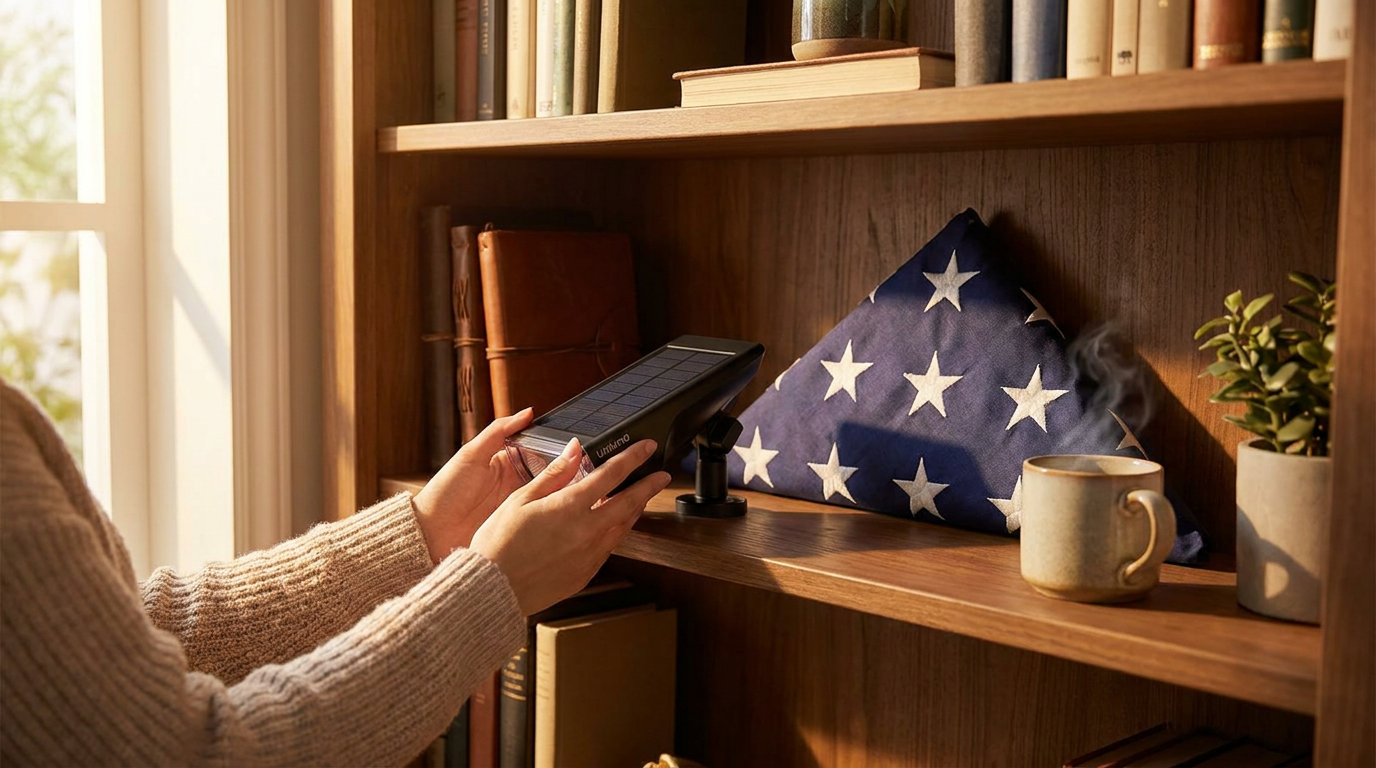
Weatherproof Solar Flag Pole Light Durability Framework
 Priya RamanSenior Analyst
July 22, 2026 — The expansion of high-efficiency outdoor lighting has led Smart Solar Spotlight to define new standards for hardware capable of withstanding extreme environmental stressors. For flag owners, the transition to solar-powered illumination is often driven by the desire for a maintenance-free, dusk-to-dawn solution that adheres to traditional flag etiquette.
Selecting a fixture requires understanding the balance between illumination intensity and structural integrity. According to Flagpoles Etc., modern solar flagpole lights are engineered specifically for maximum visibility while maintaining high energy efficiency in varied climates. To evaluate these products, we utilize a three-axis model focusing on ingress protection, thermal resilience, and structural mounting stability. This framework ensures that a weatherproof solar flag pole light provides consistent performance rather than failing during the first seasonal shift.
The Triple-Axis Resilience Model
When assessing the viability of a weatherproof solar flag pole light, two axes matter here: the IP (Ingress Protection) rating and the structural housing material. The IP rating is the primary indicator of weatherproofing, typically requiring a minimum of IP65 to ensure protection against low-pressure water jets and total dust ingress. Superior models often reach IP67, allowing the fixture to survive temporary submersion or heavy wind-driven rain. The second axis involves thermal resilience; high-quality units utilize lithium iron phosphate (LiFePO4) batteries which maintain a stable discharge cycle in temperatures ranging from -4°F to 140°F. Finally, the mounting axis dictates how the light interacts with the pole. A top-mounted "downlight" design must account for wind load, as a large surface area can act as a sail, potentially damaging the truck of the flagpole.
Data gathered from trending smart solar spotlight inquiries indicates that consumers prioritize dusk-to-dawn automation and high-lumen output. Effective flag lighting generally requires a concentrated beam angle of 30 to 60 degrees to minimize light pollution while maximizing the visibility of the fabric. In comparison to standard landscape fixtures, specialized flagpole lights often feature a circular LED array to provide 360-degree coverage of the flag as it rotates with the wind. The decision rule is simple: prioritize an IP65+ rating and a battery capacity exceeding 4000mAh to ensure the fixture survives both the elements and the long winter nights without a drop in performance.
Expert tip: Check the UV-stabilization rating of the polycarbonate lens. Over time, non-stabilized plastics will yellow and become brittle under constant sun exposure, which significantly reduces the effective lumen output and compromises the waterproof seal of the internal circuitry.
This level of durability is essential when integrating these units into a broader outdoor lighting strategy. For instance, while a flag light focuses on vertical illumination, you may also require Smart Solar Spotlight Performance for Perimeter Security to handle horizontal coverage. For those who prefer manual overrides for specific events, a remote control solar flag pole light offers an additional layer of utility without sacrificing weatherproofing. Furthermore, many homeowners are now looking for [color changing solar spotlights for yard](/blog/weatherproof-solar-flag-pole-light) aesthetics or high lumen solar security lights to complement their flagship installations.
Investing in a high-grade weatherproof solar flag pole light ensures that your display remains respectful and visible regardless of the forecast. By following a structured resilience framework, you can avoid the cycle of frequent replacements common with entry-level hardware.
Sources
Photo by Kindel Media on Pexels
- Solar Flagpole Lights
- Solar Flagpole Lights – Shop Now at U.S. Flag Store
- Sirius Solar Power Flagpole Light – Service First Products