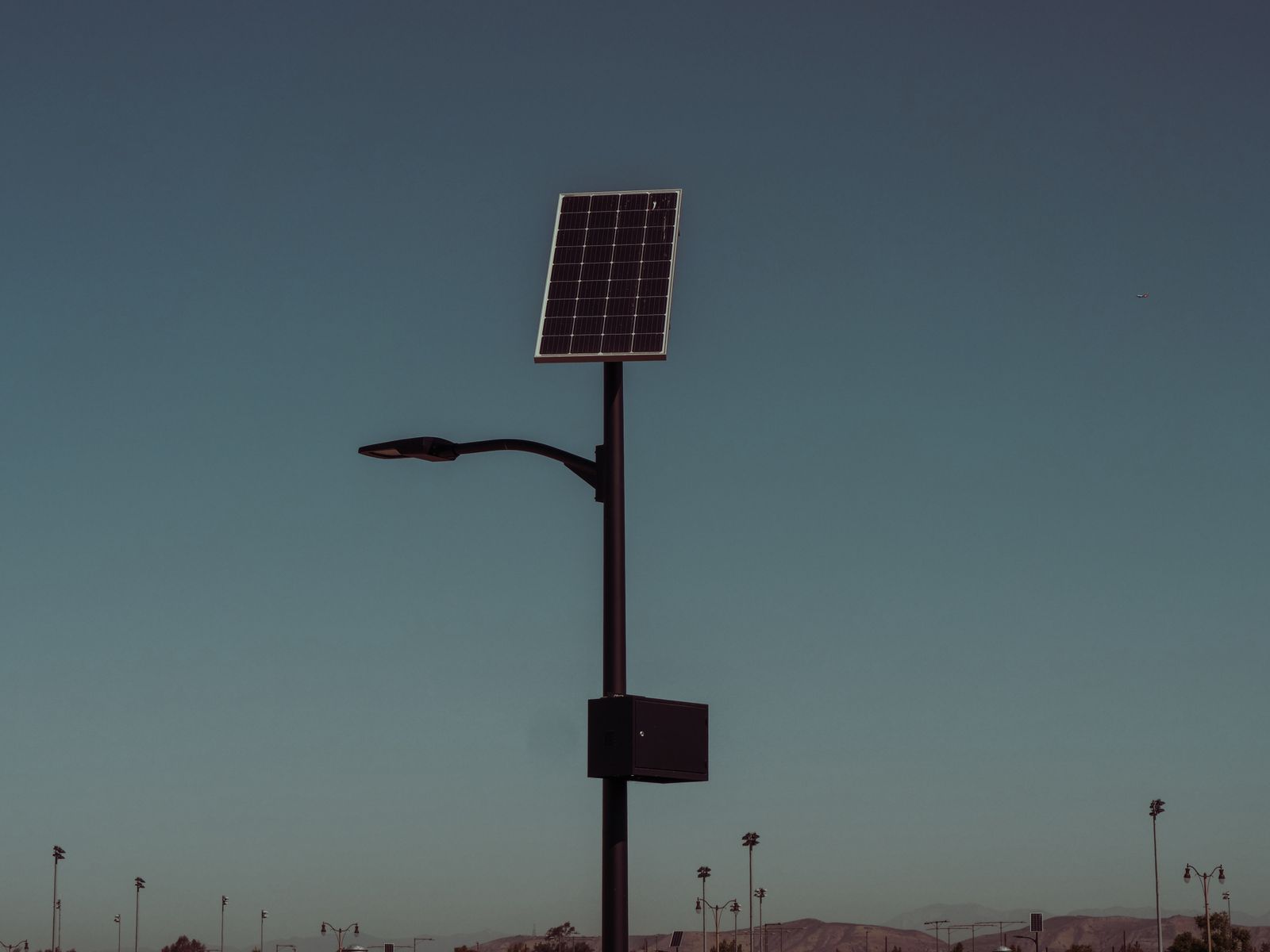
Troubleshooting Solar Spotlight Charging: Panel Angles, Micro-Shadows, and Sensor Interference
Is your smart solar spotlight shutting off prematurely at night, flickering near porch lights, or failing to hold a charge? Most solar spotlight charging failures stem from three primary failure modes: incorrect solar panel tilt angles (which must match your local US latitude ±5° facing true South), subtle tree micro-shadowing during peak sunlight hours (10 AM to 4 PM), or ambient night light sensor overrides caused by nearby artificial light sources.
Solar Spotlight Charging Failure Diagnostic Flowchart
- Is the spotlight turning on at all after dark? → Yes: Check if light turns off when porch light or artificial light turns on nearby.. No: Cover solar panel completely with dark cloth at night. Does light turn on?.
- Does light turn on when solar panel is fully covered? → Yes: Failure Mode: Ambient Light Sensor Override. Relocate light away from artificial light fixtures.. No: Failure Mode: Insufficient Solar Charge or Battery Depletion. Proceed to panel exposure check..
- Is the solar panel receiving direct, unshaded sunlight from 10 AM to 4 PM? → Yes: Check panel tilt angle. Is panel facing True South at local latitude ±5°?. No: Failure Mode: Micro-Shadowing. Prune bare branches or relocate stake to clear sun path..
- Is solar panel tilted at local US latitude ±5° facing True South? → Yes: Update Aidot app to v2.5.0 to inspect battery health dashboard and solar input current.. No: Failure Mode: Angle Misalignment. Adjust panel tilt angle using local latitude formula..
Master Solar Spotlight Diagnostic Matrix
Photo by Francesco Paggiaro on Pexels
| Failure Symptom | Primary Failure Mode | Root Cause | Rapid Field Fix |
| --- | --- | --- | --- |
| Spotlight shuts off after 1–3 hours of night operation | Insufficient Daily Harvest | Solar panel micro-shaded by tree branches or eaves between 10 AM and 4 PM | Relocate spotlight stake or trim overhanging branches; clean dust/pollen off panel face. |
| Light remains dark despite a bright sunny day | Ambient Light Sensor Override | Nearby porch light or streetlight shines on light sensor, triggering daytime shutoff mode | Re-orient spotlight head away from artificial sources or maintain a minimum 10-foot offset. |
| Battery status shows stagnant charge percentage in app | App Firmware / Telemetry Lag | Outdated mobile application version failing to sync live solar input data | Update Aidot app to version 2.5.0 and re-pair spotlight via Bluetooth/Wi-Fi connection. |
| Illumination appears dim or discolored late at night | Sub-Optimal Panel Angle | Panel placed flat (0° tilt) or facing East/West, losing up to 35% incident irradiance | Tilt panel to match local US latitude ±5° facing True South using a magnetic angle finder. |
| Light turns on and off rhythmically (cycling/flickering) | Self-Reflective Feedback Loop | Spotlight beam reflecting off light-colored wall back into its own ambient sensor | Adjust light head angle or increase distance from target wall to 5–7 feet. |
Identify your specific spotlight symptom below to locate the root cause and execute the recommended field fix.
Pro Tip: Differentiating Sensor Cut-Off from Dead Batteries
Before digging up ground stakes or replacing fixtures, perform a 10-second light sensor isolation test. Wait until dark, then place a piece of opaque black electrical tape or thick cardboard completely over the solar panel surface.
If the light instantly illuminates, your battery holds a charge and the solar panel is functioning—your spotlight is simply being shut down by ambient light pollution from a porch light, window reflection, or neighbor's floodlight. If the light remains dark even with the panel covered, the issue is true energy depletion caused by severe micro-shading or improper panel tilt alignment.
US Geographic Latitude Adjustments for Peak Solar Absorption
- Southern US (Latitudes 25°N – 35°N e.g., TX, FL, AZ, Southern CA) — Set solar panel tilt angle between 25° and 35° from horizontal facing True South. In summer months, reduce tilt by 10° for peak midday solar capture. Micro-shading risk is moderate; focus on keeping dust and desert pollen off glass surfaces.
- Central US (Latitudes 35°N – 42°N e.g., NC, MO, CO, Northern CA, KS) — Set solar panel tilt angle between 35° and 42° facing True South. Optimal year-round performance requires a fixed angle matching your exact city latitude ±5°. Ensure lawn debris and autumn leaf coverage are cleared weekly.
- Northern US & Canada Border (Latitudes 42°N – 49°N e.g., WA, MN, NY, MI, ME) — Set solar panel tilt angle between 42° and 50° facing True South. In winter, steepen panel angle up to +15° (near 55°–60°) to shed snow buildup and capture low-horizon winter sunlight rays.
Is It a Panel Angle, Shading, or Ambient Light Issue?
- Is there an artificial light source (porch light, street lamp, floodlight) within 15 feet of the spotlight? → Yes: Relocate spotlight stake so ambient sensor points away from artificial light, or mask sensor path.. No: Examine the sunlight path over the solar panel during peak charging hours (10 AM - 4 PM).
- Do shadows from roof eaves, fence posts, or tree branches pass across the panel between 10 AM and 4 PM? → Yes: Move stake 2–4 feet out from structure overhangs. Micro-shadows covering even 5% of panel area dramatically cut power yield.. No: Verify physical panel orientation and tilt angle relative to cardinal South.
- Is the panel tilted flat (0°) or facing East, West, or North? → Yes: Rotate fixture stake until panel points True South. Tilt face upwards to match local latitude ±5°.. No: Open Aidot app v2.5.0 to verify firmware settings, custom scene brightness schedules, or battery health status.
Immediate Field Action Plan
Your decision: Identify whether your lighting issue is caused by physical placement (tilt/shade) or sensor interference (porch light).
Do this next: Check solar panel angle using your local US latitude, clear micro-shadows, update Aidot app to version 2.5.0 to verify battery health, and place spotlights 5-7 feet from illuminated objects.
Related resource: https://smartsolarspotlight.com
Linkind SL5C Smart Solar Spotlight (RGBTW, IP67 Waterproof, Aidot App control)
Take these concrete steps right now to restore full solar charging performance to your smart spotlights.
Key Takeaways: Solar Charging Optimization Rules
Keep these essential rules in mind when installing, positioning, and maintaining smart solar spotlights:
Downloadable Solar Angle & Diagnostic Cheat Sheet
- Solar Panel Orientation: Always face solar panel toward True South in North America.
- Tilt Angle Formula: Match local US latitude ±5° from horizontal (e.g., 38° latitude = 38° tilt angle).
- Micro-Shade Zone: Ensure zero branch or eaves shadows touch the panel between 10 AM and 4 PM.
- Installation Distance: Position light head 5–7 feet away from walls, trees, or decorative features for uniform reflection.
- Ambient Light Safety: Maintain at least 10 feet of separation from high-lumen porch lights to prevent auto-shutoff.
- App Maintenance: Keep Aidot app updated to version 2.5.0 to monitor solar charge input and battery telemetry.
Upgrade Your Perimeter with Linkind SL5C Smart Solar Spotlights
If your current solar lights suffer from cheap panels, fixed angles, or water ingress, upgrade to professional-grade hardware engineered for harsh winter conditions and high-efficiency energy collection.
The Linkind SL5C Smart Solar Spotlight features an independently adjustable solar panel, RGBTW color-changing LEDs, IP67 full waterproof sealing, and full wireless app control via the Aidot app (v2.5.0). Perfect for yard, garden, and pathway security lighting.
Charging Efficiency: Direct Sun vs. Micro-Shading Exposure
| Exposure Scenario | Peak Charging Current | Daily Runtime Capacity | Primary Diagnostic Fix |
| --- | --- | --- | --- |
| Full Direct Sun (Unobstructed, Latitude Tilted) | 100% (Full Rating) | 10 – 12+ Hours (Night-long run) | None required. Optimal benchmark configuration. |
| Micro-Shaded by Thin Tree Branches (10 AM – 2 PM) | 20% – 35% Current Drop | 3 – 5 Hours Runtime | Prune overhanging foliage or extend stake away from canopy drip line. |
| Roof Eaves / Overhang Blocking Afternoon Sun | 40% – 60% Power Loss | 4 – 6 Hours Runtime | Move spotlight at least 3 feet forward from building wall footprint. |
| Flat Horizontal Placement (0° Tilt at 40°N Lat) | 65% Efficiency Yield | 6 – 8 Hours Runtime | Tilt panel upward to 40° angle facing True South using built-in ratchet mount. |
Solar panels operate in series-connected cell strings. Understanding how partial shading affects energy collection demonstrates why precise placement is necessary.
US Latitude Tilt Angle Alignment Diagram
Photo by Thierry coulon on Pexels
This cross-section diagram visualizes how incident sunlight strikes a ground-mounted solar panel across different US geographic latitude zones.
Solar Panel Tilt & Sunlight Optimization Calculator
Use this specifications brief to calculate exact panel tilt angles and solar absorption windows for any US location.
Step-by-Step Guide to Re-Angling and Re-Positioning Your Light
Follow these five clear steps to eliminate charging failures and maximize light output across your outdoor space.
Top 5 Solar Spotlight Placement Mistakes to Avoid
Avoid these frequent placement blunders that severely degrade solar spotlight reliability and aesthetic appeal:
Frequently Asked Questions: Solar Spotlight Charging
Find rapid answers to the most common questions regarding smart solar spotlight maintenance and sensor behavior.
Related Guides & Pathway Safety Resources
- Troubleshooting Solar Spotlight Charging: Fixing Shade and Light Interference Issues
- Troubleshooting Smart Solar Spotlight Schedules & Solar Charging Performance
- Smart Solar Spotlight Setup & Troubleshooting FAQ
Next Steps for Outdoor Lighting Optimization
Your decision: Identify whether your lighting issue is caused by physical placement (tilt/shade) or sensor interference (porch light).
Do this next: Check solar panel angle using your local US latitude, clear micro-shadows, update Aidot app to version 2.5.0 to verify battery health, and place spotlights 5-7 feet from illuminated objects.
Related resource: https://smartsolarspotlight.com
Linkind SL5C Smart Solar Spotlight (RGBTW, IP67 Waterproof, Aidot App control)
Ready to transform your home perimeter into a secure, colorful outdoor retreat?
Recommended Outdoor Smart Solar Spotlights
Feature Linkind SL5C Smart Solar Spotlight with IP67 waterproofing and Aidot app control.
Cover photo by Kindel Media on Pexels.