Solar Spotlight Placement FAQ: Solutions for Shaded Yards and Seasonal Sunlight
Solar spotlights can work in a shaded yard only if the panel itself is not left in the shade. The Linkind SL5C Smart Solar Spotlight needs open sky, a tilt near local latitude plus or minus 5 degrees, and a 5-7 foot shot at the subject. Put the stake in a sunlit gap, aim back at the dark tree or wall, and treat seasonal leaf-out as a placement change. A panel under a dense canopy will not deliver a reliable 8-12 hour night, no matter what scene Aidot 2.5.0 sends.
Partial shade is a panel question, not a lumen question
350 lumens does not punch through a charging failure. If the solar face sits in shadow for the productive hours of the day, the cell starts the evening thin. People then call the product weak. The documented instruction is to avoid shadowed solar panels and to keep the face away from strong light sources.
A subject in shade is normal landscape lighting. A panel in shade is a miss. Split those two facts every time someone asks whether solar works on a north bed.
The smart solar spotlight setup and troubleshooting FAQ is the neighboring repair page. This FAQ is the shade logic that prevents the repair.
Offset, do not bury
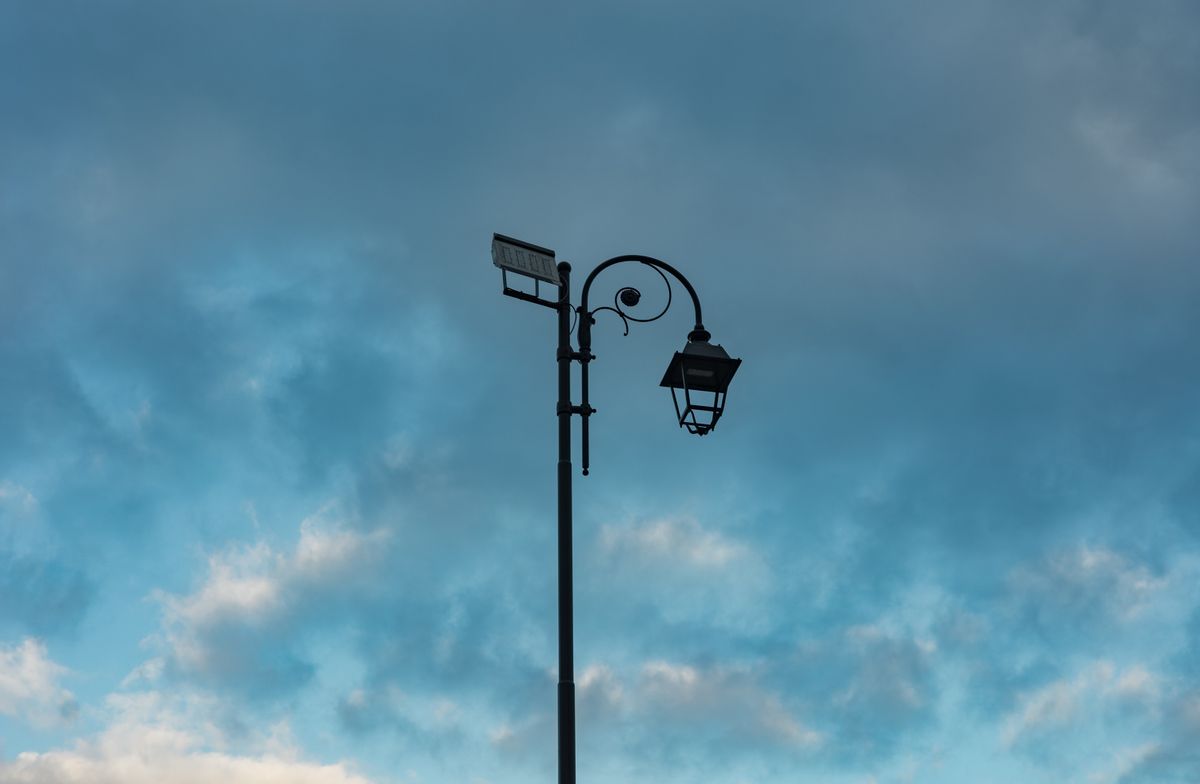
Photo by Angelo Capitanio on Pexels
Find the nearest patch of sky: a bed edge, a lawn strip, the far side of a trunk. Stake there. Aim the head at the subject from 5-7 feet. That offset is the whole shaded-yard method.
If no offset exists, that feature is not a solar spotlight job. Light a different wall, a different tree, or a path that actually sees sun. Filling the dark corner with extra fixtures that also cannot charge multiplies the failure.
DIY install at $0 estimated cost is what makes offset practical. Move the stake. There is no trench to redo.
Seasonal sunlight is a calendar, not a mystery
Winter sun is lower and days are shorter. The latitude plus or minus 5 degree tilt band is how the panel tracks that without a monthly rebuild. Snow on the face is shade; brush it. IP67 handles wet weather; it does not melt a drift that covers the cells.
Summer leaf-out is the opposite problem: a site that charged in March sits under a maple in June. Walk the yard after the leaves are out. Relocate or accept a shorter night on that one fixture. Listed lifespan of 3-5 years includes many seasons; placement should too.
Deciduous shade is seasonal. Evergreen shade and eaves are permanent. Permanent shade is a veto.
Strong light is a cousin of shade
A porch flood on the solar face is not darkness, but it is still a listed problem. The lamp may never settle into a clean night cycle. Move off the wash or stop running the flood on that patch.
RGBTW party color will not out-shout a neighboring flood. Placement will.
Runtime remains 8-12 hours when the charge was real. Seasonal sun changes how often that charge is real. Plan the important path lights on the most reliable sky, and put experimental uplights on the riskier patches.
Shade types and the honest fix
| Shade type | Panel strategy | Skip this | | --- | --- | --- | | Tree canopy on the subject | Offset stake into sun, aim back 5-7 ft | Hiding the panel under the tree | | Summer leaf-out only | Use the site in winter; relocate after May | Assuming March charge lasts until fall | | Eave or north alley, all year | Do not use that site for solar | Adding more uncharged lamps | | Snow on the face | Brush the panel; keep IP67 housing clear | Building a roof that shades the cells | | Porch flood on the face | Move off the wash | Cranking RGBTW to compete |
What the app can and cannot rescue
Aidot 2.5.0 brightness control can stretch a slightly short charge so the path lasts until bedtime. It cannot fill a cell that saw no sun. Music sync and saturated scenes spend the cell faster; skip them on a weak seasonal night.
A staggered path should put its most important step lights on the sunniest panels. Let a decorative bed take the seasonal risk.
Solar powered with no extra electric cost still applies in a shady yard. The constraint is sky, not the utility bill.
Shaded-yard solar checklist
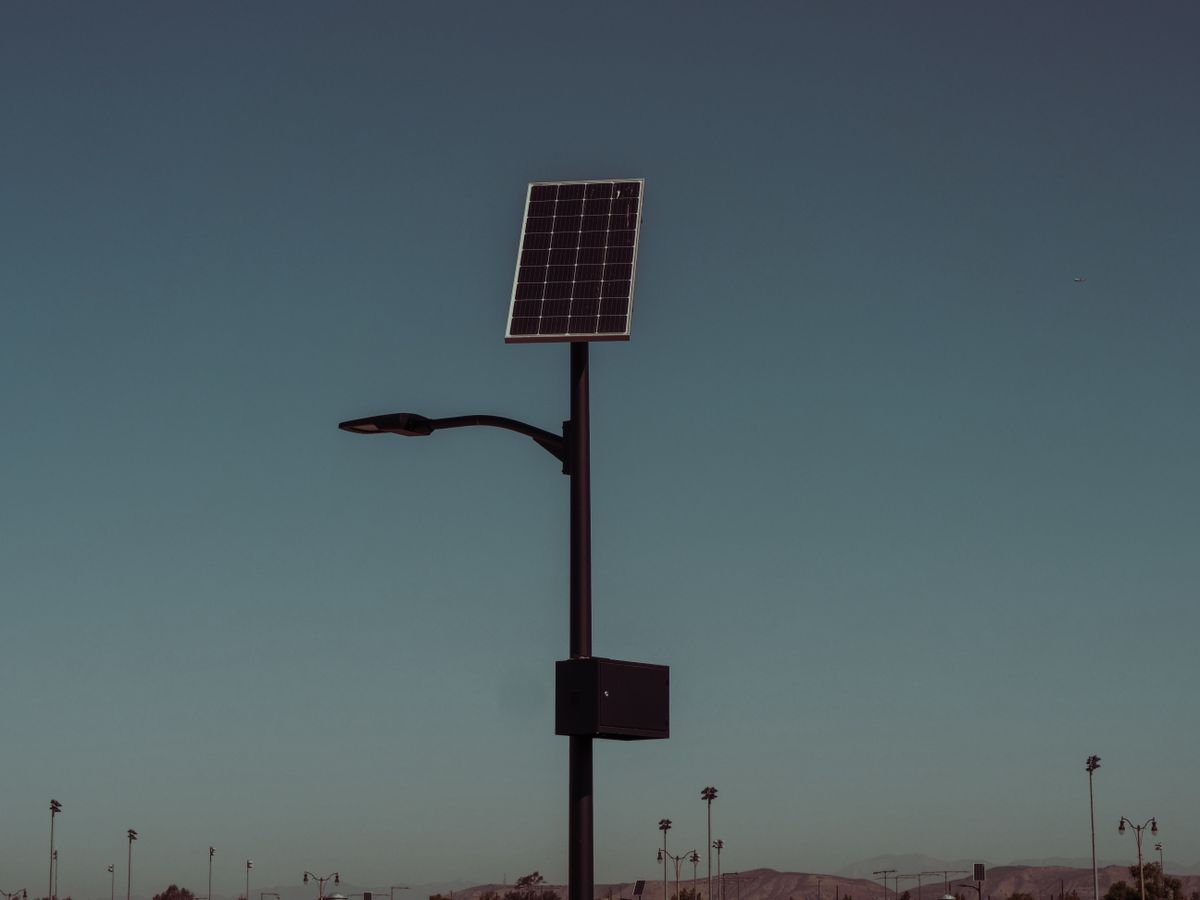
Photo by Kindel Media on Pexels
- [ ] Name the subject and the panel location as two different points.
- [ ] Move the panel into open sky; keep 5-7 feet of aim.
- [ ] Veto eaves, evergreen tunnels, and all-day north alleys.
- [ ] Recheck after leaf-out, leaf-drop, and snow.
- [ ] Keep strong floods off the solar face.
- [ ] Use Aidot dimming only as a stretch, not as a shade plan.
Frequently asked questions
Do solar spotlights work in partial shade?
Only if the panel still sees productive sky. Avoid shadowed solar panels. Offset the stake and aim back at the shaded subject.
Will a bigger lumen number fix a shady panel?
This fixture is 350 lumens. More output would still need charge. Shade is a solar problem, not a bulb-size problem.
Can I charge a shaded lamp from a neighbor's flood?
Strong light sources on the panel are a problem to avoid, not a charging strategy.
Should I take lights in for the winter?
These are IP67 outdoor solar spots with a 3-5 year listed lifespan. Clear snow from the face and keep the latitude tilt. Do not store them in a dark garage and expect a charged night.
Is a north-facing wall impossible?
The wall as a subject is fine. The panel still needs sky. Pull the stake into a sunlit patch and aim at the wall from 5-7 feet.
Related reading
Charging, positioning, and backyard FAQ pages expand this shade map.
- how to install solar spotlights for optimal charging
- how to position and install smart solar outdoor spotlights
- frequently asked questions about smart solar backyard lighting
What to do next
For every dark feature, find a sunlit stake 5-7 feet away and park the Linkind SL5C panel there, tilted to local latitude plus or minus 5 degrees. Walk the same sites after leaf-out. Retire any panel that still sits in permanent shade, and save Aidot dimming for slightly short seasonal nights, not for eaves.
Cover photo by Jeric Turga on Pexels.