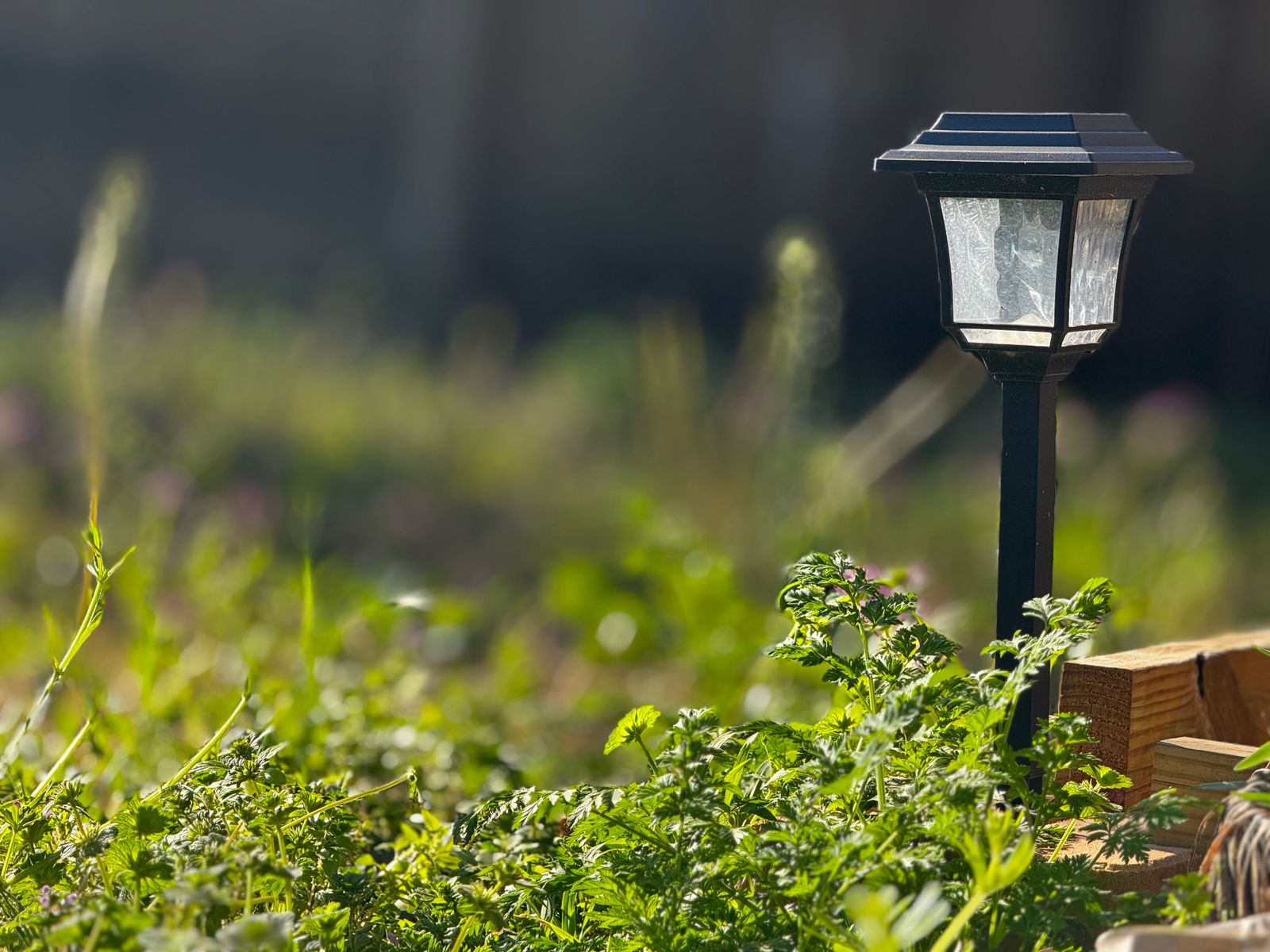
App-Controlled Smart Solar Spotlights vs. Traditional Solar Lights: Features, Failure Modes, and ROI Compared
Are app-controlled smart solar spotlights worth the higher upfront price over inexpensive traditional solar stake lights?
Yes, smart solar spotlights justify their cost within one to two seasons. Traditional solar stake lights suffer from critical failure modes: cheap IP44 seals allow moisture ingress that corrodes internal circuits, unmanaged batteries die completely during short winter days, and fixed 6500K blue glare cannot be adjusted. Smart app-controlled spotlights—such as the Linkind SL5C Smart Solar Spotlight managed via the Aidot app (v2.5.0)—resolve these vulnerabilities with robust IP67 waterproof enclosures, dynamic RGBTW color tuning, and intelligent app power scheduling that guarantees all-night illumination even in reduced winter sunlight.
Scenario-Based Feature Matrix: Smart App-Controlled vs. Traditional Solar
| Usage Scenario | Traditional Solar Stake Lights | Linkind SL5C Smart Solar Spotlight | Operational Winner & Value Impact |
| --- | --- | --- | --- |
| Winter & Low-Sun Operation | Rapid failure mode: Lights drain batteries completely within 2–3 hours due to fixed maximum power draw under shortened daylight. | Aidot app (v2.5.0) allows users to reduce output to 30–50% or set custom off-timers, extending battery discharge across 12+ winter hours. | Smart Solar (Prevents winter blackout failures) |
| Heavy Rain & Irrigation Exposure | IP44/IP55 rated housings suffer internal condensation, rusting solder points and permanently destroying LED drivers within 6–12 months. | IP67 dust-tight and submersible waterproof enclosure prevents liquid ingress during heavy downpours and automated sprinkler cycles. | Smart Solar (Eliminates annual replacement cycles) |
| Backyard Entertaining & Seasonal Styling | Static, harsh 6500K cool white or dim yellow LED output with zero adjustment capabilities or scene controls. | Full RGBTW spectrum with customizable color scenes, adjustable color temperature (warm to cool white), and dynamic music synchronization. | Smart Solar (Elevates outdoor aesthetic versatility) |
| Perimeter Security & Pathway Safety | Autonomous dusk-to-dawn sensors trigger lights when ambient light drops, but cannot be grouped, scheduled, or brightened for specific events. | Individual fixture or group control via Bluetooth in the Aidot app (v2.5.0) for timed security scenes and synchronized path lighting. | Smart Solar (Delivers active security management) |
| 3-Year Total Cost of Ownership (TCO) | Low initial cost ($20–$40 per 4-pack), but requires complete replacement every 12–18 months due to severe hardware degradation. | Higher initial investment offset by multi-year hardware survival, zero wiring fees, and software-driven battery protection. | Smart Solar (Lower 3-year TCO) |
Comparing outdoor lighting performance across real-world operational scenarios highlights where traditional solar lights fail and where smart spotlights excel.
Failure Modes & System Trade-Offs
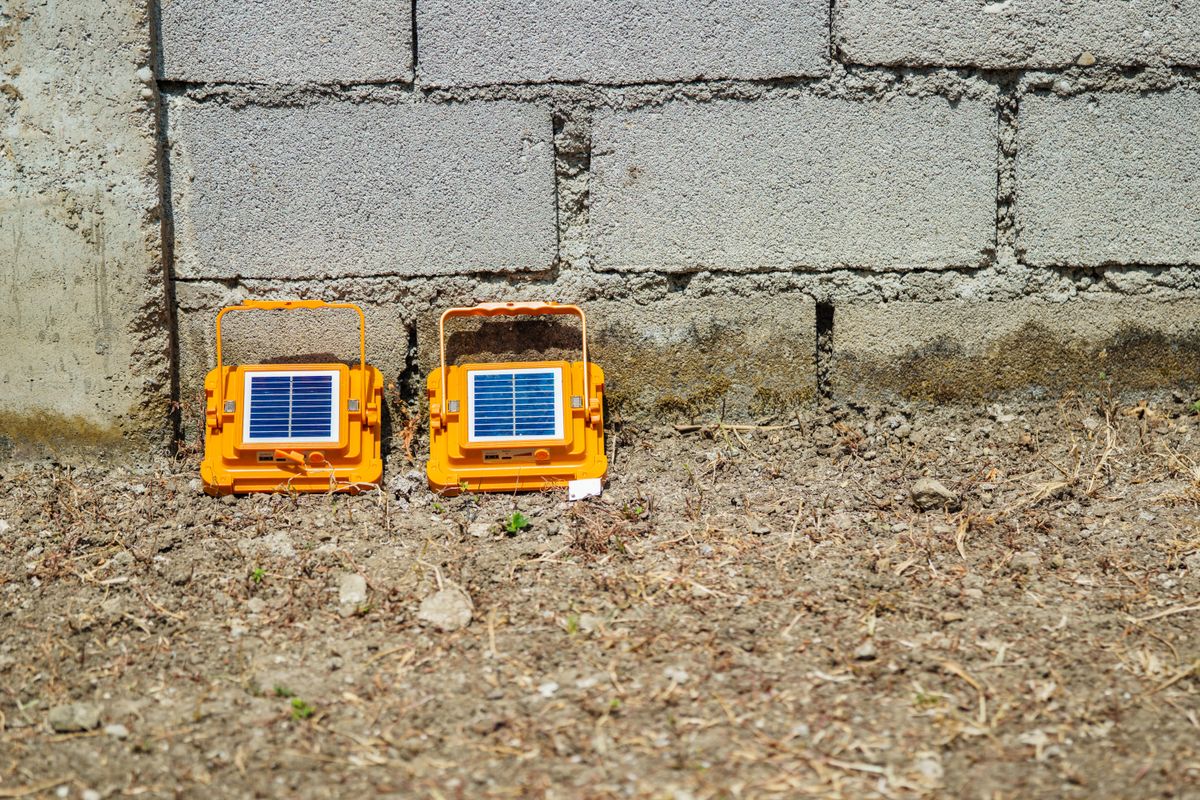
Photo by Nothing Ahead on Pexels
Pros
- Smart Solar: IP67 waterproof rating protects sensitive control boards against total submersion and lawn sprinkler spray.
- Smart Solar: App-controlled brightness dimming preserves battery longevity through overcast spells and winter months.
- Smart Solar: Full RGBTW spectrum provides tunable white light and dynamic color scenes for seasonal holidays.
- Smart Solar: Grouping lights in Aidot app v2.5.0 enables one-tap control of whole pathway or backyard zones.
- Traditional Solar: Extremely low upfront purchase price for basic, temporary path marking.
- Traditional Solar: Simple push-in-ground installation with no initial app pairing steps.
- Traditional Solar Failure Mode: Cheap IP44 housings accumulate internal water condensation, rusting circuitry within months.
- Traditional Solar Failure Mode: Non-replaceable, unmanaged lithium batteries suffer over-discharge damage in winter.
- Traditional Solar Failure Mode: Fixed high-glare color output cannot be dimmed or adjusted for ambient entertaining.
- Smart Solar Trade-off: Higher initial purchase cost per fixture compared to bargain-bin stake lights.
- Smart Solar Trade-off: Requires initial smartphone pairing via Aidot app v2.5.0 for scheduling and scene setup.
Recommended Choice: Linkind SL5C Smart Solar Spotlight
For homeowners seeking a perfect balance of security, architectural aesthetic, and long-term durability, the Linkind SL5C Smart Solar Spotlight is the top-tier solution.
Key Technical Specifications:
- Optical Engine: RGBTW Color-Changing LED (Tunable Warm to Cool White + Full Color Spectrum)
- Environmental Seal: IP67 Dust-Tight & Submersible Waterproof Rating
- Control Platform: Aidot App (Version 2.5.0 required for optimal performance)
- Power Architecture: High-efficiency solar panel with adjustable tilt mechanism
- Smart Features: Customized lighting scenes, music synchronization, group scheduling, and individual dimming
Installation Best Practices:
To maximize performance, position the lights 5 to 7 feet away from target landscape features using a staggered arrangement along pathways. In the Northern Hemisphere, angle the solar panel tilt within ±5° of your local latitude and keep panels clear of building and tree shadows.Which Solar Light Is Right For You? Decision Flowchart
- Do you need lights to stay illuminated past 1:00 AM during winter months? → Yes: Go to Question 2. No: Go to Question 3
- Do you want to adjust brightness levels via an app to preserve winter battery life? → Yes: Select Smart App-Controlled Solar Spotlights (e.g., Linkind SL5C). No: Select High-Capacity Hardwired Low-Voltage System
- Are you highlighting architectural features, trees, or hosting outdoor events requiring color changing? → Yes: Select Smart App-Controlled Solar Spotlights (e.g., Linkind SL5C). No: Traditional Solar Stake Lights are sufficient for temporary garden bed edging
Action Plan: Upgrading Your Outdoor Lighting System
Your decision: Determine whether your yard layout requires structural architectural highlighting, pathway navigation, or security perimeter lighting.
Do this next: Map your focal points, select an appropriate pack size (2-pack, 4-pack, or 8-pack), and install fixtures 5 to 7 feet from targets with solar panels tilted at local latitude ±5°.
Related resource: Download Aidot App v2.5.0 on iOS or Android to set up light groups, customize timers, and pair fixtures prior to outdoor stake placement.Linkind SL5C Smart Solar Spotlight Bundle (Choose Pack Size based on yard square footage).
Ready to enhance your curb appeal and perimeter security? Follow these structured installation steps.
Key Takeaways: Smart vs. Traditional Solar Comparison
Keep these core principles in mind when evaluating outdoor solar lighting upgrades:
Buyer's Decision Support: Selecting Based on Property Needs
Smart app-controlled solar lights carry a slightly higher initial cost but eliminate the annual replacement cycle of cheap stake lights while offering security scheduling and RGBTW aesthetic customization.
Best choice for
- Smart App-Controlled Solar Spotlights — RGBTW spectrum customization, dynamic scene modes, and music synchronization via Aidot app v2.5.0 create immersive event lighting impossible with fixed white stake lights.
- Smart App-Controlled Solar Spotlights — App-based dimming allows users to lower output during winter storms, stretching battery power across long dark nights without total blackout.
- Traditional Solar Stake Lights — Acceptable low-stakes choice where fixture failure after one season causes minimal financial impact.
- Your installation location receives 100% permanent shade beneath thick evergreen canopy with zero direct sunlight exposure.
- You do not possess a Bluetooth-compatible smartphone capable of running Aidot app v2.5.0.
- Low-Voltage Hardwired Landscape Lighting — Provides constant power regardless of sunlight, but requires trenching yards, running 12V wiring, installing transformers, and hiring electricians.
Matching Pack Sizes to Your Landscape Layout
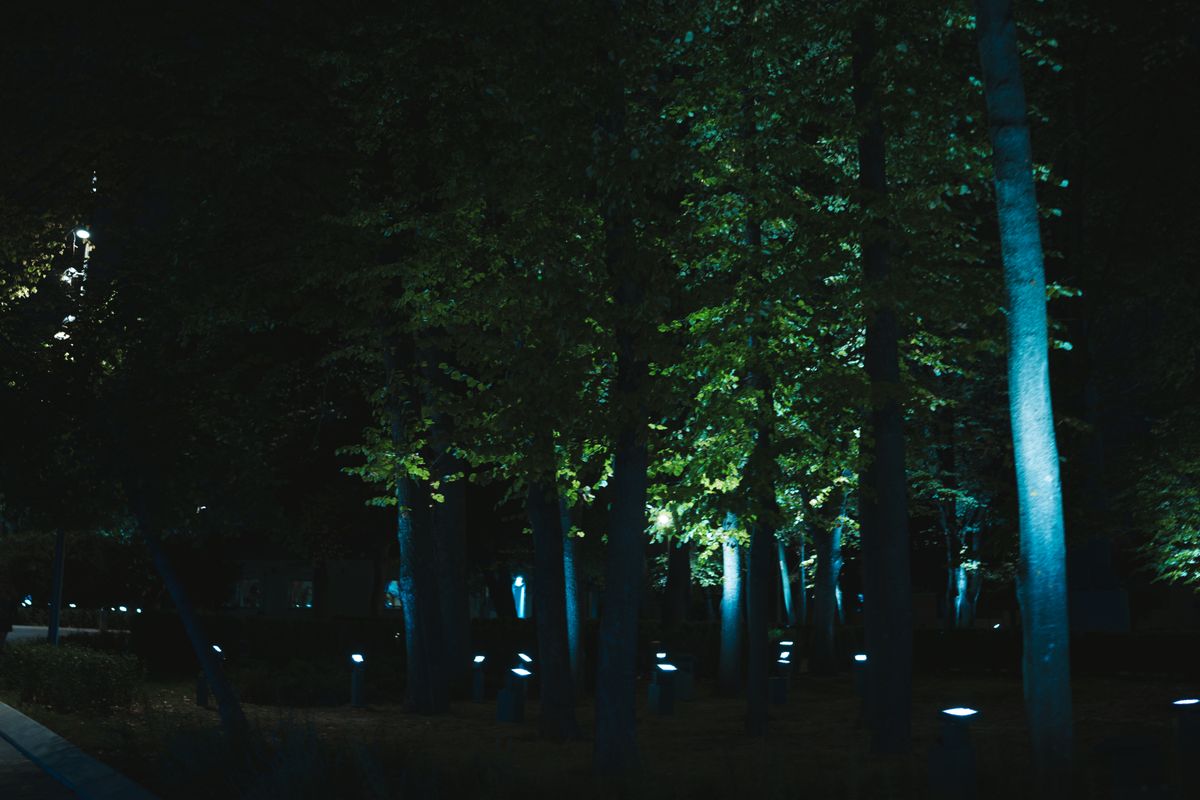
Photo by Irina Iriser on Pexels
Selecting the right quantity ensures balanced light distribution without over-spending or leaving dark security gaps along your perimeter.
Real-World Scenarios: Security, Patio Entertainment, and Curb Appeal
Hosting a Summer Backyard Barbecue — Use Aidot app v2.5.0 to group all backyard SL5C spotlights. Select a vibrant 'Party' dynamic color scene with music sync. Traditional lights remain locked in sterile, static white glare.
Managing Lighting During December Short Days — Open the Aidot app and lower spotlight brightness to 40%. This conserves battery power collected during short 6-hour daylight windows, guaranteeing the lights remain active for safety until sunrise.
Illuminating a Curved Garden Walkway — Space fixtures 5 to 7 feet apart in a staggered left-right pattern angled toward the walk surface. Set temperature to warm white (2700K) for an inviting, upscale landscape designer aesthetic.
How smart app controls transform everyday home ownership situations compared to static traditional lights.
Why Traditional Solar Lights Fail Prematurely
To understand why traditional solar stake lights are a poor long-term investment, one must examine their component engineering. Entry-level solar stakes sold at big-box retailers are built down to a price point. They typically utilize IP44 or IP55 rubber gaskets that degrade under UV exposure. Once the seal cracks, thermal expansion draws moist outdoor air inside the housing. As night temperatures drop, that moisture condenses directly onto the printed circuit board (PCB), causing severe copper oxidation, short circuits, and complete driver failure within 6 to 12 months.Furthermore, traditional lights lack intelligent power regulation. Their simple dusk-to-dawn sensors run the LED at 100% output regardless of state-of-charge. During late autumn and winter, when solar panel intake drops by up to 70%, the lithium cell is repeatedly drained to 0% voltage. Deep discharge cycles destroy lithium battery chemistry, rendering the light permanently incapable of holding a charge after one winter season.
The Smart Solution: IP67 Submersible Seals and App-Managed Power
Smart solar spotlights overcome these physical failure modes through superior industrial design and software management:Precision Installation: Solar Panel Tilt & Placement Rules
Solar hardware efficiency depends heavily on installation geometry. To capture maximum peak sun hours across the United States:- Latitude Tilt Angle Rule: Position the solar panel tilt within ±5° of your local latitude angle. For example, a home in Dallas, Texas (latitude ~32°N) should tilt panels at roughly 30°–35° facing true South. A home in Seattle, Washington (latitude ~47°N) requires a steeper 45°–50° tilt to catch lower winter sun angles.
- Shadow Avoidance Zone: Even partial shadowing on a solar panel can drop power output by 50% to 80% due to series-connected photovoltaic cells. Ensure fixtures are installed clear of roof overhangs, wide tree limbs, and fence shadows between 10:00 AM and 2:00 PM.
- Avoid Stray Ambient Glare: Do not install solar spotlights directly beneath powerful streetlights or high-wattage porch fixtures. Ambient artificial light tricks dusk sensors into falsely detecting daylight, preventing automated evening activation.
- Staggered Pathway Geometry: For walkways, space spotlights 5 to 7 feet apart in a staggered pattern on alternate sides of the path. Point beams downward at a 45° angle to illuminate the walking surface uniformly without casting blinding eye-level glare at approaching pedestrians.
Further Reading on Landscape Lighting & Smart Home Automation
Explore these related guides to master outdoor landscape planning and smart hardware optimization:
- Landscape Lighting Layout Guide: Staggered Spacing for Driveways and Walkways
- Solar Panel Tilt Angle Calculations by US Geographic Region
- Understanding IP Ratings: IP44 vs IP65 vs IP67 Outdoor Electronics Compared
Frequently Asked Questions
Common questions regarding app controls, winter reliability, setup, and waterproofing for outdoor solar spotlights.
Failure Modes & Limitations: Traditional Solar Lights vs. Smart Solutions
Detail common traditional failure modes (rapid battery degradation, dimming out by 10 PM, water ingress).